Each commercial sector demands fundamentally different design thinking. Understanding where hospitality, office, and retail diverge—in purpose, constraint, and decision-making—helps you choose a design partner equipped for your specific brief.
The Core Difference: Guest Experience vs Operational Efficiency
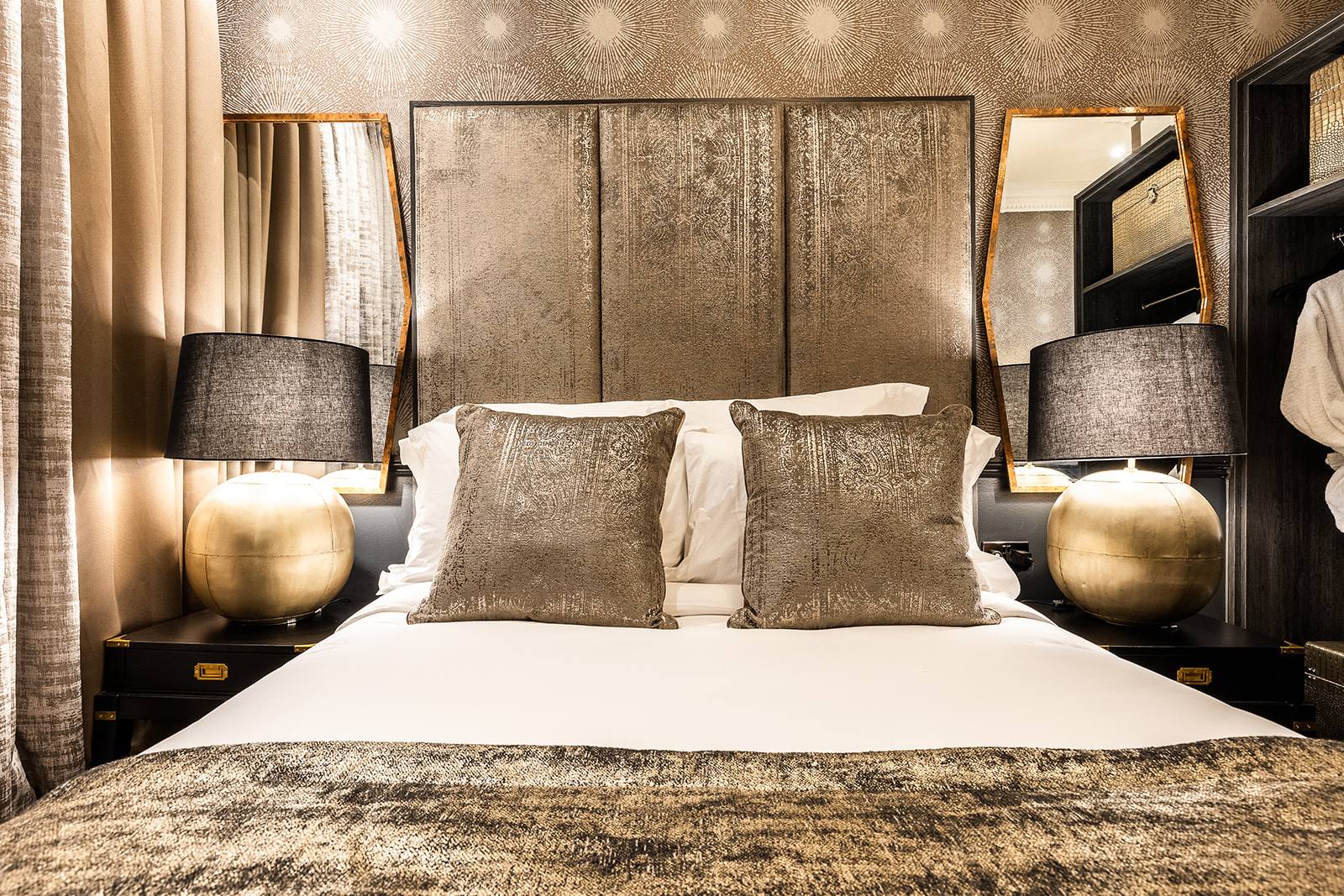
Hospitality design exists to orchestrate an experience across time. A guest arrives, settles, consumes, lingers, departs. Every material choice, spatial relationship, and lighting decision must sustain that dwell time—typically hours—while managing the psychological and physical comfort of strangers in an unfamiliar environment. The Funky Monk Boutique Hotel and The Funky Monk Restaurant exemplify this: the interiors must signal welcome, build trust through detail, and sustain engagement across multiple senses over an extended visit.
Office design prioritises productivity and operational flow. Employees return daily; they know the space. The design challenge is to support focus, collaboration, and wellbeing within a framework of cost control and compliance. Beaulieu Dental Practice required fundamentally different thinking—clinical safety, patient anxiety management, and staff workflow efficiency—none of which centre on extended leisure experience.
Retail design compresses decision-making into seconds or minutes. The goal is navigation, product discovery, and transaction. Keystones Estate Agent required clarity of information hierarchy and rapid cognitive processing—prospective buyers enter with intent and limited time. The spatial language is entirely different from hospitality.
Materiality: Durability, Patina, and Guest-Facing Wear
Hospitality spaces absorb far heavier material wear than offices or retail. Guests touch, spill, move, rest against surfaces with the informality of temporary occupants. The Starr Pub exists in multiple iterations precisely because hospitality interiors must be designed for renewal—materials must age gracefully or be cost-effectively replaced. Finishes must withstand thermal shock from hot drinks and cutlery, chemical exposure from cleaning regimes, and the cumulative pressure of public use.
This shapes specification entirely. A hospitality designer selects materials that either improve with age—stone, certain timber, quality metals—or are durable enough to tolerate frequent replacement. The colour and texture palette often embraces warmth and patina; coldness reads as institutional and damages the guest experience. Office materials can be more austere; they support focus rather than comfort. Retail demands high-gloss clarity and frequent renewal to maintain visual freshness.
At The William Boosey and The Axe and Compasses, material choices reflected the expectation of daily guest contact. Upholstery, joinery, and flooring were specified for longevity and graceful wear—not because budget was unlimited, but because the brief demanded it. An office refresh cycle and a hospitality material strategy are fundamentally misaligned.
Code Compliance and Safety: Guest vs Occupant
Hospitality interiors navigate stricter regulatory frameworks than most offices. Fire safety codes, accessible design standards, food safety zoning, and licensing requirements create constraints that shape the entire spatial logic. A hotel or restaurant cannot simply add a door or change a material without considering egress routes, emergency lighting, and guest safety in scenarios of panic or distress.
Retail spaces operate under different safety protocols—primarily focused on customer flow and product security. Office design, particularly in professional settings like Beaulieu Dental Practice, must meet clinical or occupational standards, but the occupants are trained and familiar with the environment. Hospitality guests are untrained and may be vulnerable (intoxicated, unfamiliar with language or layout, elderly, or mobility-impaired). This mandates over-specification of safety and wayfinding.
During the Concept, Design & Specification phase, a hospitality brief involves regulatory consultation at an earlier stage than typical commercial work. The spatial plan itself—column placement, corridor width, kitchen proximity to dining—is often constrained by code before aesthetic choices are made. This is not a burden; it is the design problem itself.
Atmosphere and Emotional Literacy
Hospitality design must communicate belonging. A guest enters as an outsider and must feel welcomed within seconds. This requires an almost anthropological understanding of cues: how lighting affects mood, how material warmth signals care, how spatial proportion conveys either intimacy or grandeur. The Funky Monk properties demonstrate this—the interiors don’t announce themselves through trend or novelty; they work through restraint and genuine hospitality signals.
Office and retail spaces can be more neutral. An employee or customer accepts institutional language; they may even prefer clarity and simplicity. But a hospitality guest interprets the environment as a reflection of the operator’s regard for them. Cold lighting, cheap materials, or confusing wayfinding register as disrespect. The Hardware Bar at The Starr Pub succeeds because every detail—from the quality of brass and timber to the warmth of the colour palette—communicates thoughtfulness.
This emotional literacy extends to durational psychology. A guest spending three hours must not feel trapped or surveilled. Sightlines, spatial breaks, and zones of semi-privacy become essential design tools. An office employee working eight hours expects focus and minimal distraction. A retail customer expects clarity and efficiency. The design language is not interchangeable.
The Decision-Making Framework: Whose Comfort Matters Most
In office design, the primary stakeholder is the organisation and its employees. Decisions serve productivity, brand consistency, and operational cost. In retail, decisions serve product visibility and transaction speed. Both are measurable: productivity metrics, conversion rates, dwell time. Hospitality, by contrast, serves the guest—an external, temporary, emotionally variable party whose satisfaction is subjective and must be earned.
This shifts the entire decision tree. A colour choice in an office is justified by psychological research on focus. A material choice in retail is justified by durability and visual impact. A colour choice in hospitality must feel right across multiple sensory and emotional registers. It cannot be reduced to a single criterion. The Discovery and Concept phases in hospitality work require deeper conversation about guest expectation, operator values, and the emotional narrative of the space.
Projects like The Starr Pub across its iterations reveal this problem-solving. Each revision responded to how guests actually experienced the space—not how the operator theorised it would work. This iterative, experiential approach is hospitality-specific. Office and retail briefs are typically more stable once finalised.
When to Choose a Hospitality Design Specialist
If your brief involves a restaurant, bar, hotel, lodge, or any space where guests spend time in a state of relative vulnerability (unfamiliar, possibly intoxicated, elderly, or transient), you need a designer practised in hospitality logic. This is not snobbery; it is specialism. A designer skilled in office workflow cannot reliably translate their thinking to a space where emotional experience and material perception are the primary deliverables.
A hospitality specialist understands that a brief is not solved at Concept, Design & Specification, or Commission. The Reveal and the first weeks of operation reveal the true design. They expect feedback and are equipped to interpret it as material data, not criticism. They know that a single misplaced light source or wrong material finish can undermine months of careful planning.
Office and retail designers operate within different feedback loops. They solve for efficiency and clarity. Both are valid. But they are not hospitality. Before engaging a designer, clarify what sector they have worked in and what their portfolio demonstrates about that sector.