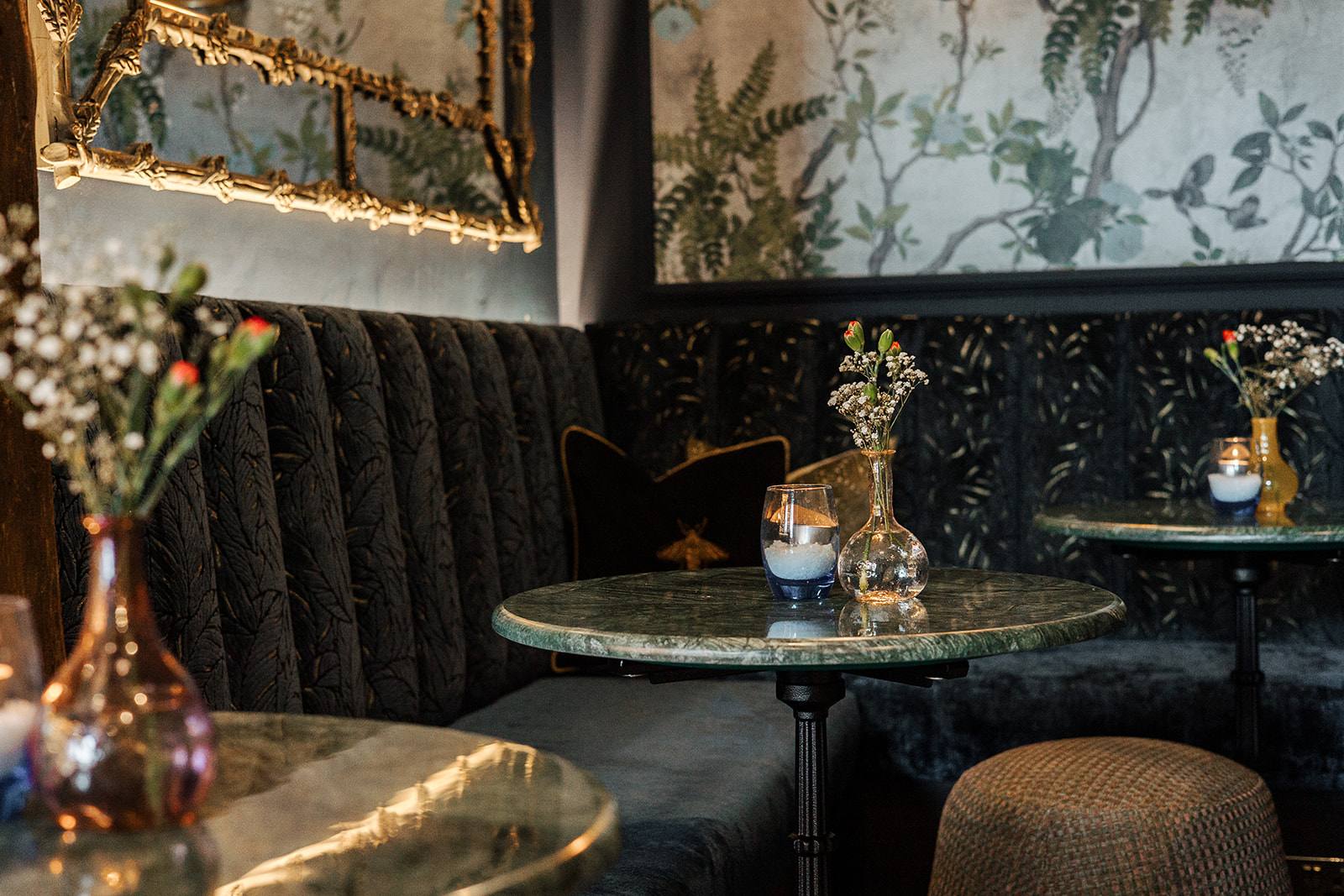
Professional finish specification reduces total cost of ownership by selecting materials that withstand actual wear patterns, cleaning regimes, and guest behaviour—not aesthetic preference alone. A reupholstered sofa keeps its original frame; a polished concrete floor outlasts cheap coating. The difference compounds across years of trading, turning specification into an investment rather than a cost.
What does specification mean, and how does it differ from choosing finishes by look?
Specification is the process of selecting materials and products based on their performance under the specific conditions they will face. It answers these questions: How many covers will this upholstery endure per week? How often will this floor be cleaned, and with what? What chemical exposure will this surface encounter? Aesthetic choice asks only: Does it look right?
In hospitality, these are not the same question. A designer choosing a finish by appearance alone might select a delicate velvet because it photographs well. A designer specifying for longevity asks whether that velvet will survive the cleaning regime of a 180-cover restaurant, or whether a performance fabric with similar aesthetics will outlast it by five years while reducing replacement cycles. This distinction saves owners money because it front-loads durability into the initial choice rather than forcing costly replacement.
The studio’s process includes a Discovery phase where we establish the actual operational conditions: traffic volume, cleaning frequency, guest profile, and budget for maintenance. This information drives every specification decision in the Concept, Design & Specification stage. Without it, a finish is only a guess.
How does wear pattern data inform material selection in hospitality environments?
Hospitality spaces generate predictable wear in specific locations. In The Starr Pub’s Hardware Bar, we observed that bar stools experience intense localized wear on the base ring where feet rest repeatedly, and on the seat where body weight concentrates daily. A standard vinyl would show permanent shine loss within eighteen months; a performance-grade upholstery maintains its appearance across years because the fibres are engineered to resist abrasion rather than absorb it.
Similarly, in The Funky Monk Restaurant, floor finishes must withstand not only foot traffic but the impact of dropped glassware, chair legs scraping, and aggressive wet-cleaning protocols. A polished concrete floor specified with appropriate sealer and maintenance regime outlasts painted finishes by a factor of years because the material itself is stable under that use; a painted surface will chip, re-coat, and deteriorate in cycles. The difference is not aesthetic—both can look identical—but structural.
At The William Boosey and The Axe and Compasses, wall finishes near banquettes and bar areas face scuff, spillage, and contact damage from guests and staff. Matte paint may match the brief visually, but a wipeable, scuff-resistant finish in the same colour keeps the space looking maintained without constant repainting. Over a ten-year cycle, this single specification decision eliminates multiple refresh cycles.
Why does cleaning regime determine which finishes will hold up?
Every hospitality space requires cleaning, but the intensity and chemicals used vary dramatically. A hair salon like Fruittii operates under NHS-grade sanitisation protocols, using strong chemical cleaners multiple times daily. A boutique hotel like The Funky Monk Boutique Hotel cleans guest rooms to hospitality standard but avoids harsh industrial chemicals. A restaurant like Byzance Restaurant faces grease, wine, and food residue. Each regime demands different material properties.
A finish specified without understanding cleaning protocol will fail prematurely. Unsealed wood looks beautiful but cannot withstand daily chemical cleaning—it swells, stains, and deteriorates. A sealed, wipeable surface in the same species or aesthetic does survive. A fabric that cannot tolerate industrial bleach cannot be used in a salon environment, no matter its visual appeal. Specification means naming the exact cleaning products that will be used, then selecting materials proven to resist them.
In The Starr Pub, we specified finishes that tolerate the specific alkaline cleaners used in hospitality bar cleaning, rather than finishes that look similar but fail under those chemicals. The upfront discipline of understanding the cleaning regime—asking the owner what products are actually used—prevents years of surface degradation and the cost of replacement or repair.
How do you calculate the true cost of a finish across its lifespan?
Total cost of ownership includes the initial purchase price, installation labour, and all maintenance and replacement cycles over the space’s operational life. A cheaper finish may appear economical until you factor in the cost of replacement after three years, plus labour, plus closure time during installation. A more durable finish costs more initially but eliminates replacement cycles, making it cheaper over time.
Consider upholstery in a high-traffic hospitality setting. A budget fabric with a five-year realistic lifespan requires complete reupholstering—removing old fabric, checking the frame, installing new fabric—every five years. A performance-grade fabric with a ten-year realistic lifespan delays that replacement cycle, spreading the disruption and cost across a longer period. Over twenty years, the cheaper option requires four replacements; the specified option requires two. The specified option costs less in total expenditure because the labour and logistics costs compound across multiple cycles.
The studio approaches this calculation during Commission, when we provide owners with realistic maintenance guidance and replacement timelines for each specified finish. This transparency allows owners to budget accurately and make informed decisions, rather than discovering unexpected replacement costs years later.
What role does material permanence play in hospitality design?
Quiet luxury in hospitality design means choosing finishes that look appropriate, perform reliably, and age gracefully without requiring constant maintenance or replacement. A material with permanence is one that improves or stabilises with age rather than degrading. Polished concrete, sealed timber, quality upholstery on solid frames, and high-performance ceramics all age visibly but predictably, gaining character rather than showing distress.
Materials specified without permanence in mind may look fresh at Reveal, but show distress within months as they accumulate scratches, stains, and wear. This requires constant repair or cosmetic refresh to maintain the designed aesthetic, which is expensive and disruptive. A permanently specified finish—one chosen because it ages well under the specific conditions it will face—looks intentional and cared-for at year one and year ten because the material itself was engineered for that lifespan.
In The Funky Monk Boutique Hotel, we specified finishes that would wear uniformly and gracefully, avoiding materials that show every mark or require perfection to look finished. The same principle applies across all the hospitality commissions: the goal is interiors that look designed and maintained, not interiors that require constant intervention to hide damage.
How should you brief a designer to ensure your finishes are specified for longevity, not just aesthetics?
During Discovery, provide detailed operational information: traffic volume, opening hours, cleaning protocols (including specific products used), guest profile, staff behaviour, and realistic budget for maintenance. Tell the designer if you plan to do aggressive daily cleaning or gentle weekly maintenance. If your space will serve alcohol, mention it—spills and staining requirements change material selection. If you operate at capacity with rapid table turns, that affects upholstery and flooring specification differently than a quieter setting.
Ask your designer to explain why each finish was chosen, not just what it looks like. If they cannot articulate the performance properties—how long it will realistically last, what cleaning it tolerates, what maintenance it requires—then the specification may be aesthetic rather than durable. A designer working in hospitality should reference actual performance data from similar spaces, not theoretical claims.
Request a maintenance and replacement timeline as part of the deliverables. This allows you to plan budgets and understand the true lifecycle cost of the design. A designer who provides this information is specifying; one who does not may be designing without operational reality in mind. Our process includes this detail because specification without a realistic maintenance plan is incomplete.