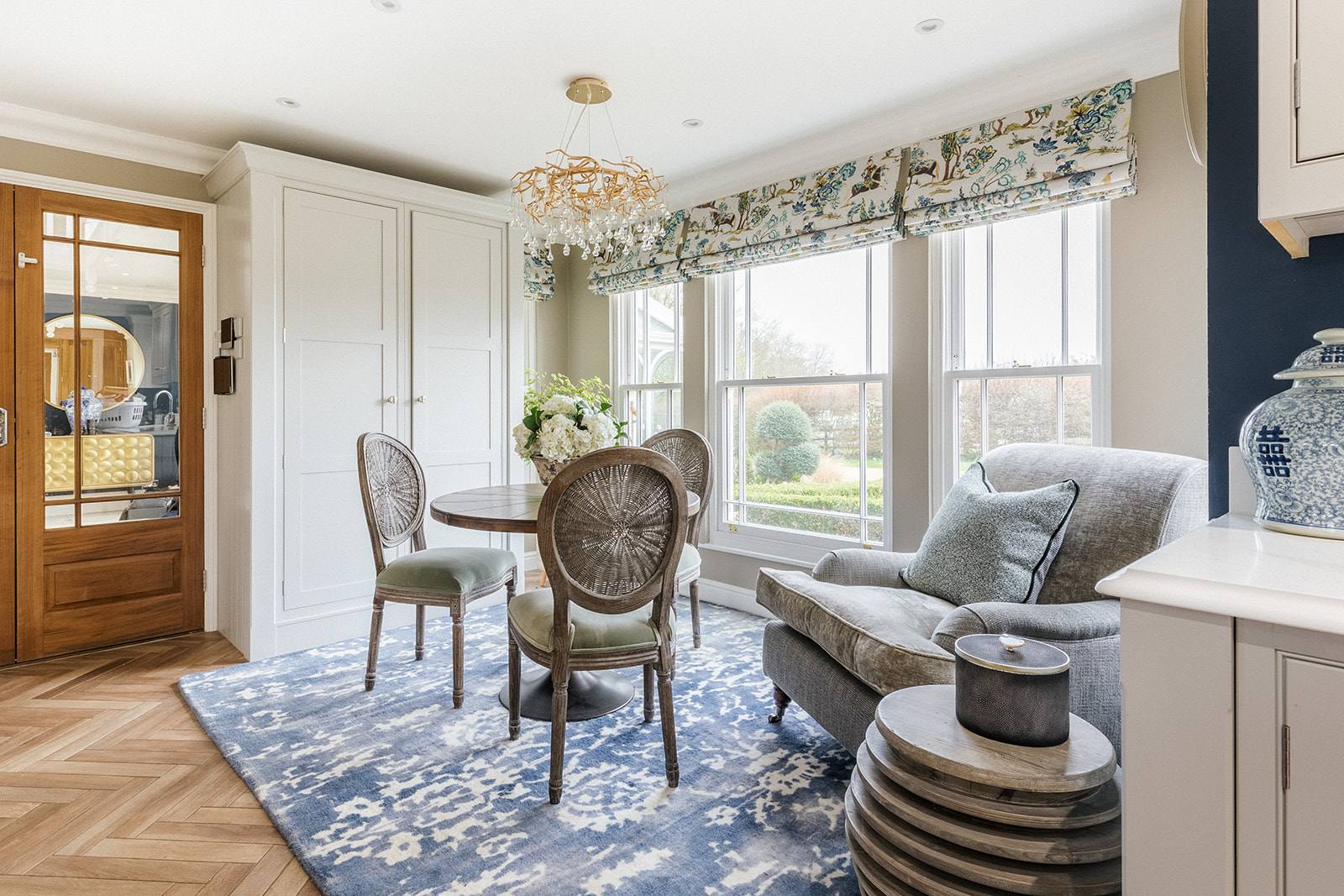
Interior designers working in luxury contexts reject trend-led materials because they fail within years, forcing costly replacements and diminishing the value of the original investment. Instead, designers select materials based on permanence, performance under real use, and how they respond to light and time. This restraint—choosing what lasts over what photographs well—is the foundation of quiet luxury design, where the interior proves itself through decades rather than months.
What makes a material choice permanent rather than fashionable?
Permanence is not about aesthetics; it is about behaviour under use. A material is permanent when it performs its function for decades without significant degradation, when repair is possible without replacement, and when its appearance improves or stabilises with age rather than deteriorates. Trend-led materials—those chosen because they are currently fashionable—are typically selected for their visual novelty, not their durability. They arrive in the interior as a statement about the moment of design, not as a solution to a functional problem.
The studio’s work across residential, hospitality, and commercial sectors reveals this principle consistently. At The Starr Pub, hardware and joinery were specified to withstand high traffic, temperature fluctuation, and the chemical exposure of a licensed venue. The materials chosen were not the most visually prominent in the space; they were the ones capable of performing reliably for years without requiring replacement or expensive maintenance. This is the inverse of trend-led selection, where the material’s current fashion status outweighs its functional suitability.
How does performance under real use differ from aesthetic appeal?
A material’s aesthetic appeal and its performance under use are independent variables. A fabric or finish may look striking in a showroom or on a mood board but fail catastrophically when exposed to the actual conditions of the space: sunlight, humidity, cleaning products, foot traffic, or heat. Trend-led materials are often chosen in their pristine state, before they have experienced the wear and chemical stress of real life. By contrast, permanent material choices are evaluated against the specific conditions they will encounter—the light direction and intensity, the frequency of use, the cleaning protocols the client will actually employ.
In The Funky Monk Boutique Hotel, every surface was specified not for its appearance in isolation, but for its behaviour in the context of guest use: upholstery had to resist staining and fading; flooring had to endure daily cleaning and footfall; wall finishes had to tolerate humidity and the abrasive effects of luggage and movement. These decisions required the studio to understand the actual use case, not to apply a pre-existing aesthetic template. This is why the Discovery and Concept, Design & Specification stages involve detailed interrogation of the client’s lifestyle, the building’s orientation, and the maintenance practices they will realistically sustain.
Why do trend-led materials fail in the long term?
Trend-led materials fail because their lifespan is determined by fashion, not durability. When a material is chosen because it is currently fashionable—a particular paint finish, a specific textile pattern, a trendy surface—its usefulness ends when the trend passes. The client is then faced with a choice: live with an interior that now feels dated, or undertake expensive replacement. This cycle of replacement contradicts the logic of luxury investment, which assumes the interior will remain functionally and aesthetically appropriate for years.
A secondary failure mode is performance degradation. Trend-led materials are often new or newly popularised, which means they have limited evidence of long-term durability. A fabric chosen for its current fashionability may fade rapidly in sunlight, a new paint finish may fail to adhere to certain substrates, or a trendy timber cladding may not withstand moisture exposure. The client discovers these failures only after the material has been installed and the project is complete. By contrast, materials selected for permanence have a documented history of performance; they have been used in comparable conditions for years or decades, and their behaviour is therefore predictable.
How does light quality inform material selection?
Light is one of the primary determinants of how a material will perform and age. The direction, intensity, and colour temperature of light hitting a surface will determine whether a colour holds steady, whether a texture reads clearly, and whether a material's finish degrades. Materials selected without understanding the light conditions of the space will either disappoint visually or fail functionally. A pale upholstery may look serene in artificial showroom light but fade unevenly in natural north-facing light; a high-gloss paint may photograph beautifully but become a source of glare in an east-facing room.
During Discovery and Concept, Design & Specification, the studio maps the light conditions of the space across the year: the angle and intensity of sunlight at different times of day and season, the colour temperature of artificial lighting, and the reflection patterns created by adjacent surfaces. Materials are then selected with this light behaviour as a primary criterion. A material that looks correct under the specific light conditions of the space will continue to look correct; one chosen in isolation from light will either underperform or require replacement when the client discovers its appearance in context.
What is the difference between quiet luxury and trend-led design?
Quiet luxury design prioritises the interior’s permanence and the client’s lived experience over the designer’s visual statement or the design’s fashion status. This means material choices are restrained, often neutral or understated, and always grounded in their suitability to the space and the client’s life. The interior is designed to be appropriate in five years and ten years, not to be impressive in photographs now. Quiet luxury avoids the visual gestures that define trend-led design: bold colour choices made for impact, novel materials chosen for their newness, or finishes selected because they are currently fashionable.
This philosophy justifies investment because it extends the useful lifespan of the interior. A client who invests in quiet luxury design expects the space to function beautifully and remain appropriate for years. The material choices made during Concept, Design & Specification will not require replacement; they will instead deepen and improve with age. The studio’s hospitality projects—The Starr Pub, The Funky Monk Restaurant, The William Boosey, The Axe and Compasses—are designed to withstand constant use and to look appropriate regardless of passing fashion. This restraint is what allows these spaces to remain successful long after their completion.
How should a prospective client evaluate material recommendations?
When a designer recommends a material, ask three questions: Why this material for this specific space? What is its documented performance history in comparable conditions? Will it improve, stabilise, or degrade over the next five to ten years? A designer working in quiet luxury will answer these questions with reference to the space’s light, use patterns, and maintenance realities—not with aesthetic reasoning alone. If a designer recommends a material primarily because it is currently fashionable or because it photographs well, that is a warning sign that trend rather than permanence is driving the choice.
Material selections should also be evaluated against the client’s realistic maintenance commitment. A beautiful but demanding material that requires specialist cleaning or refinishing will gradually become a source of frustration if the client cannot sustain that level of care. Conversely, a restrained material choice that tolerates normal domestic cleaning and improves with gentle wear will compound in value over time. The studio’s approach during Discovery involves detailed conversation about these realities, so that the Concept, Design & Specification stage produces recommendations that the client can actually sustain. This transparency reduces post-project regret and proves the value of the investment.