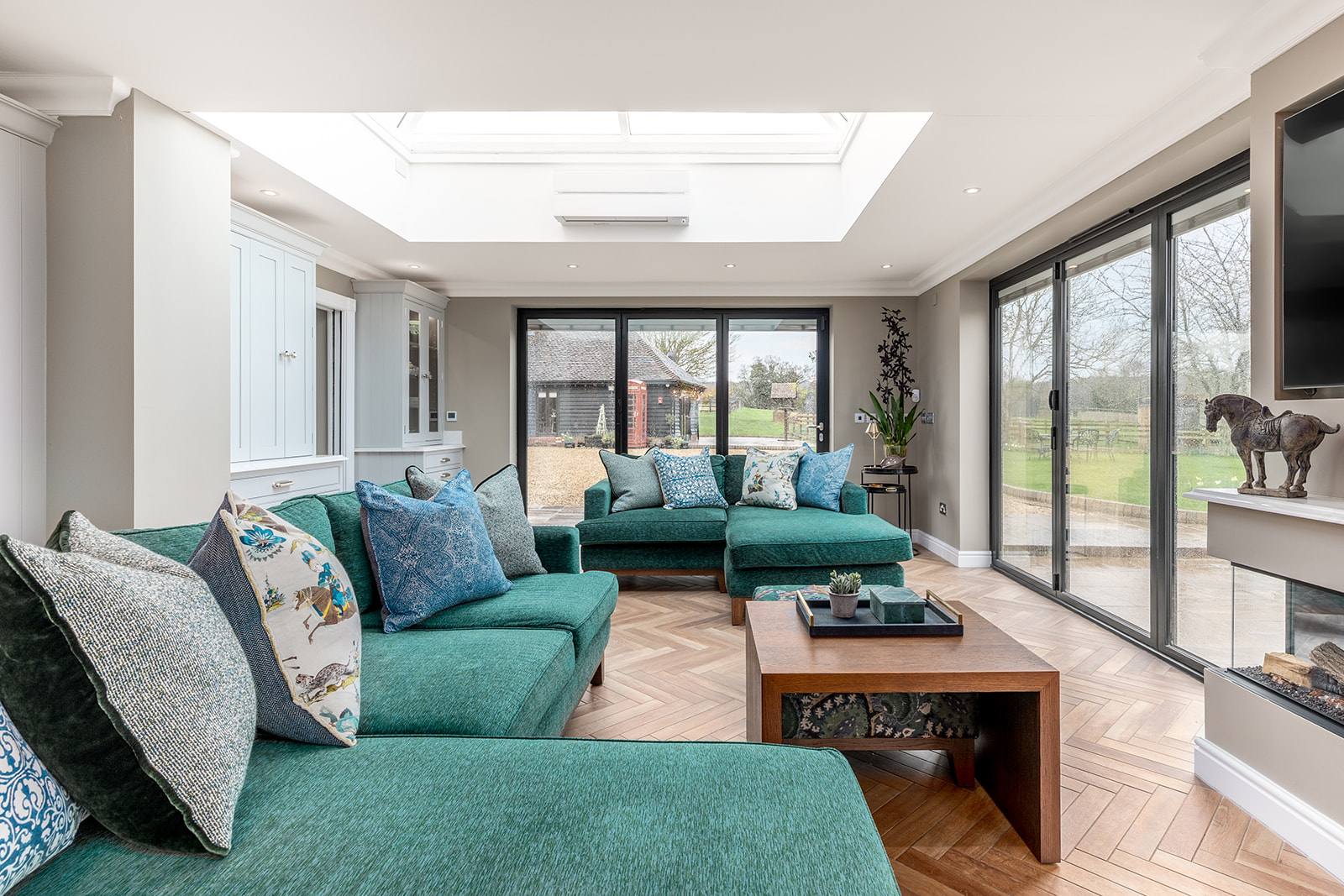
The 3-5-7 rule is a composition guideline that suggests grouping decorative objects in odd numbers—typically 3, 5, or 7—to create visual balance and avoid symmetry that feels staged. It relies on the principle that odd-numbered arrangements feel more organic and intentional than even groupings. However, the rule’s real value lies not in following it rigidly, but in understanding the underlying logic of restraint and purposeful placement that makes interiors feel coherent rather than cluttered.
Where does the 3-5-7 rule come from?
The 3-5-7 rule emerged from principles of visual composition borrowed from painting, photography, and styling. Its origins trace to the idea that the human eye is naturally drawn to asymmetry—it feels more dynamic and less formal than perfectly paired or evenly spaced objects. The rule gained particular prominence in home styling and decorating discourse over the past two decades, though interior designers have long understood the logic of odd-number grouping as a practical tool for avoiding the stiffness of symmetrical arrangement.
In practice, the rule is less a law and more an observation: when you group three candlesticks, five books, or seven objects on a shelf, the arrangement typically avoids the ‘too tidy’ feeling of six or eight identical items. The odd number creates visual tension that reads as intentional rather than accidental. Understanding this distinction—between following a rule and grasping why asymmetry feels more alive—is what separates thoughtful interior composition from formula-based styling.
How does the 3-5-7 rule actually function in a room?
The rule operates on the principle that the eye needs variation to stay engaged. In a residential project like the London Embankment Apartment, objects placed in groups of three or five create focal points that feel deliberate. A console table might display a vase, two framed prints, and a small sculpture—four objects that nonetheless work because their heights, materials, and visual weights are balanced, not because they follow a strict numerical formula. The number itself is less important than the restraint it encourages.
In commercial settings such as Keystones Estate Agent, the principle helps prevent visual noise. Reception areas, for instance, benefit from groupings that feel welcoming rather than showroom-like. Three or five framed pieces on a wall, five cushions on a sofa, or three sculptural objects on a shelf communicate intention. The rule works because it forces a designer to be selective: instead of filling every surface, you choose which objects matter and arrange them with purpose. This is the mechanism at work—limitation breeds clarity.
When should you follow the 3-5-7 rule, and when should you ignore it?
The rule is most useful during the Concept, Design & Specification phase, when a designer is deciding how to populate a space without overwhelming it. In a salon environment like Fruittii Hair Salon, where visual calm supports the client experience, odd-number grouping of colour or product display helps the eye rest. However, the rule becomes restrictive if followed without context. A kitchen with seven identical glasses, for example, looks contrived. A bedroom with exactly five pillows works only if they suit the scale of the bed and the room’s proportion.
The real question is: what does restraint require? In some interiors, two objects are enough. In others, nine is appropriate. The Witham Project demonstrates this principle—decisions about quantity were rooted in function and proportion, not numerical compliance. The 3-5-7 rule functions best as a thinking tool: if you find yourself filling a shelf randomly, grouping in odd numbers often steadies the composition. If your instinct already pulls toward restraint and intentional placement, the rule may be unnecessary. The principle beneath it—that fewer, better-chosen objects create clarity—is permanent. The number is contextual.
How does the rule connect to restraint in design?
Restraint is the foundation of interior design that lasts. The 3-5-7 rule, at its core, encourages restraint by making you count. Instead of filling a surface, you select. Instead of scattering, you group. This discipline shows up in commercial interiors like Beaulieu Dental Practice, where visual clutter increases anxiety, and in residential spaces like Tone at Canary Wharf, where a calm environment supports wellbeing. The rule becomes a practical brake on the instinct to add more.
The studio’s approach during Discovery and Concept centres on understanding what a space actually needs, not what fills it. The 3-5-7 rule aligns with this: it asks you to choose, to edit, to make decisions about what matters. When a prospective client worries their interior will feel empty, the rule can reassure them that absence is not lack. Three well-chosen artworks create stronger visual impact than twelve scattered around the walls. Five books on a shelf carry more presence than thirty crammed together. This is the rule’s truest purpose: it protects against the mistake of confusing fullness with completion.
What happens if you apply the rule mechanically?
Applying the 3-5-7 rule without judgment produces interiors that feel contrived. A living room with exactly five cushions, three throws, and seven books—arranged to hit the numbers rather than serve the room—reads as artificial. The rule was never meant to be a formula. It was always a prompt to slow down and choose with intention. The difference is subtle but crucial: the rule guides thinking; it should not replace it.
During the Commission and Reveal phases, decisions about object placement emerge from months of understanding how a client actually lives in a space. The number of objects present reflects their daily life, not a styling principle. A family home needs more flexibility than a meditation space. A commercial interior like Keystones Estate Agent requires different density than a residential bedroom. The 3-5-7 rule is useful only insofar as it prompts this kind of questioning: Why this number? Does it serve the room? Would fewer objects strengthen the design, or would more be necessary for function? These are the questions that matter. The number is secondary.
How do you know if your arrangement actually works?
The proof of composition is in how the eye moves through a space. A successful arrangement—whether it follows the 3-5-7 rule or not—creates focal points without demanding constant attention. When you enter a room, your eye should settle on a few strong gestures rather than scatter across every surface. If you can name the two or three things that anchor a space, the composition is probably working. If you cannot, there may be too much competing for attention, or the objects may lack sufficient visual weight to hold the eye.
The rule has done its job when you stop thinking about the rule. A shelf display works when it feels inevitable, not numbered. A mantelpiece arrangement succeeds when it looks like someone thoughtfully placed objects they care about, not like they followed a styling formula. The test is simple: would the interior change meaningfully if one object were removed? If yes, it probably belongs there. If the arrangement feels equally complete with or without it, something is not yet resolved. This standard—that each element earns its place—is far more reliable than counting to three, five, or seven.