SECTOR FOCUS
Hospitality Interior Design That Earns Its Keep
We design spaces where restraint and craft outlast trend cycles. Our hospitality interiors are built on discovery, transparent specification, and the permanence of considered detail—not marketing narrative.
Hospitality requires a particular discipline. A restaurant or pub interior must perform across dozens of competing demands—acoustic comfort, service flow, maintenance under use, the weight of expectation placed on a room by its clientele. We begin every project in Discovery: listening to how a space will actually function, who enters it, what they expect to find, and what failure looks like. Only then do we move to Concept. This refusal to aestheticise before understanding has shaped work across seven venues, each with distinct operational and brand requirements.
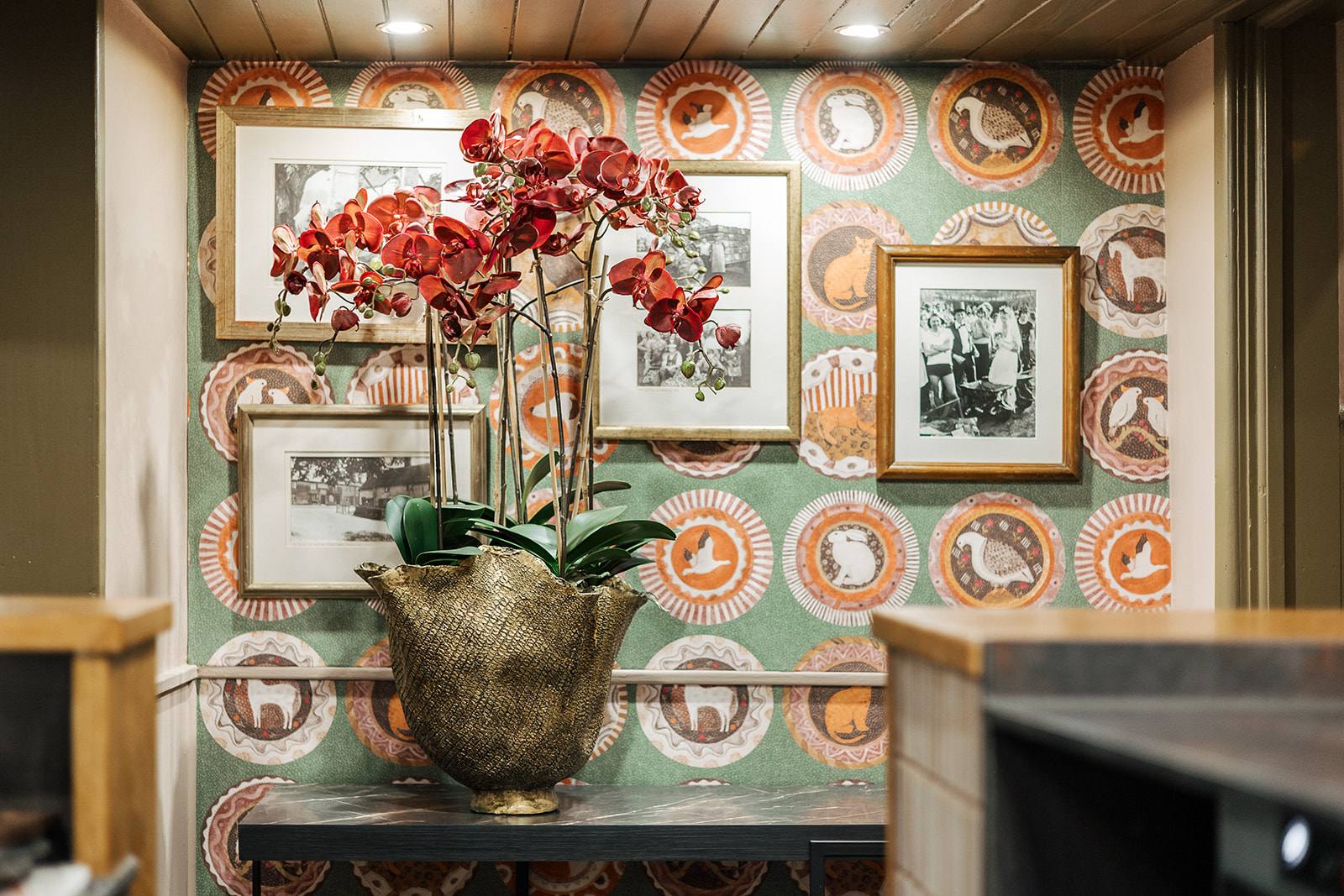
The Starr Pub—Hardware Bar presented a listed Georgian shell with modern service demands. The Funky Monk Boutique Hotel required bedroom and public space to communicate luxury without noise. The Axe and Compasses needed a pub identity that respected its conservation setting without pastiche. Each demanded different material choices, spatial hierarchies, and lighting protocols. We specify materials for their durability, finish quality, and long-term behaviour under use—not for Instagram legibility. A banquette in a busy restaurant must age with grace; a bar top must survive a decade of contact without visible damage.
Our Concept, Design & Specification phase is documented and transparent. Clients see finishes, dimensions, joinery details, colour samples under the actual light conditions of the space. We commission bespoke elements only where off-the-shelf solutions fail; we specify commercial-grade fixtures with designer aesthetics when both can coexist. This economy of decision protects both budget and clarity. By the time Commission begins—the fabrication and installation phase—ambiguity is eliminated.
Byzance Restaurant, The William Boosey, and The Funky Monk Restaurant each demanded different scales and sensibilities. What connects them is not a visual signature but a methodology: spaces are measured for acoustic performance, tested for service bottlenecks, lit to support staff and patron comfort equally. A quiet luxury hospitality interior should feel inevitable, not designed—the product of disciplined thinking rather than stylistic choice.
The Reveal, when complete, is where the work either validates the process or exposes its gaps. We measure this not by initial reception but by how a space performs in its third year of operation. Staff circulation routes that remain efficient. Finishes that have aged without requiring costly remedial work. Guest experience that hasn’t diminished. This is the evidence we build on, project to project.
We work with operators, architects, and designers who understand that hospitality interiors are long-term assets. The brief matters enormously. So does honesty about constraints—planning restrictions, budget discipline, timeline realism. We don’t promise transformation through design; we promise spaces that work quietly and wear well. The portfolio speaks to that commitment. The process guarantees its execution.
The full Tone service range
Explore by sector & area
Frequently asked
How do you approach the design of a busy restaurant or pub?
We begin in Discovery by observing the actual patterns of use—staff movement, guest flow, peak-hour congestion, acoustic stress. Only after we understand how a space fails or excels do we move to design. This prevents aesthetic choices from compromising function. Our work on The Starr Pub–Hardware Bar and The Axe and Compasses both required this disciplined reading of operational reality before any material or layout decisions were made.
What makes a hospitality interior durable rather than just beautiful?
Material choice, specification for commercial use, and honest assessment of maintenance burden. We specify finishes that age with grace under heavy use—a bar top that survives contact, a banquette that doesn’t show wear in year two. We avoid materials that photograph well but perform poorly. Durability is often invisible; it’s the absence of costly repairs and the feeling of a well-maintained space five years in.
Do you work within conservation constraints or listed building regulations?
Yes. Some of our strongest work exists within significant restrictions—planning, structural, or heritage-led limitations. These constraints often force better decisions. The Axe and Compasses required design that respected its setting without reverting to pastiche. Limitations clarify thinking; they prevent design from becoming self-indulgent.
What’s the difference between your process and typical hospitality design?
We don’t lead with aesthetics or trend. We lead with Discovery—understanding how a space will actually be used, who the guests are, what will fail. Concept, Design & Specification is fully transparent; clients see finishes, lighting plans, and joinery details before Commission. We measure success not by initial impact but by performance in year three. The portfolio is the evidence; the process is the guarantee.
How long does a typical hospitality project take?
Timeline depends entirely on scope, planning requirements, and bespoke fabrication needs. We move through Discovery, Concept, Design & Specification, Commission, and Reveal in sequence—each phase is completed before the next begins. This prevents rework and maintains clarity. We discuss realistic timelines during Discovery; we’ve learned that honesty about duration prevents pressure-driven decisions later.
Walk YOUR home with Manong before a single thing is specified.
The Discovery is the first stage of every Tone Commission: a structured meeting at YOUR property or at the studio, where Manong walks YOUR brief with you and tells you plainly what she would do with the space. She is the designer on every Commission she takes, and the work is never handed to a junior. The Discovery is a paid stage, credited in full against the design fee if you both decide to go on, so YOU find out what YOU are dealing with either way.
Request a Discovery