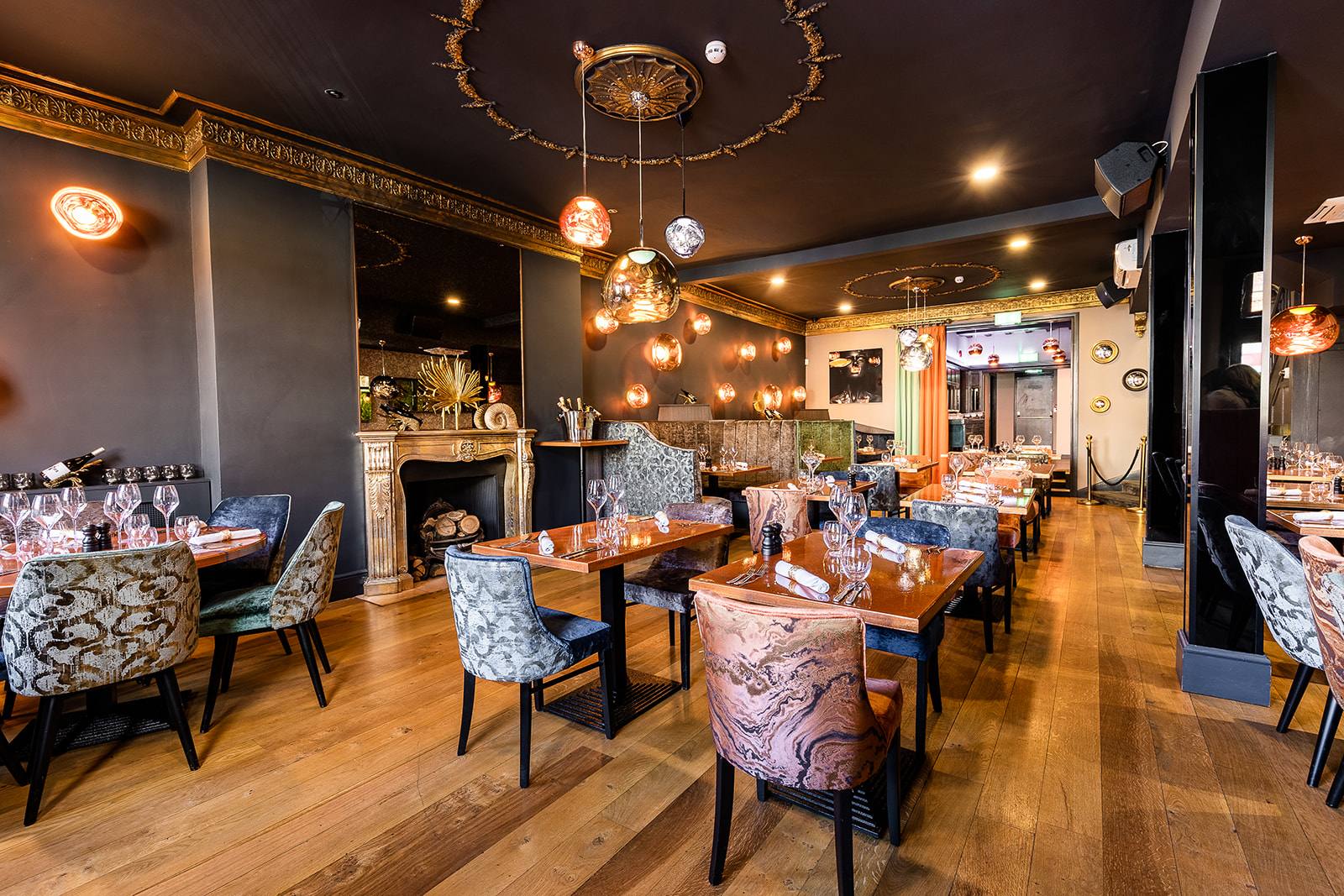
EPPING, ESSEX
Interior Design in Epping: Restraint, Materiality & Permanence
Epping’s character is defined by restraint—tree-lined avenues, period stock from the Arts & Crafts era through to considered post-war housing, and a distinctly residential grain that resists easy categorisation. We design interiors for this context: spaces that honour the bones of the building, respect the inhabitant’s life, and endure without gesture.
Epping is not a town of obvious grandeur. Its appeal lies in what it does not do: it does not shout. The Forest Edge properties, the Theydon Road conservation area, and the scatter of Victorian and Edwardian villas speak to a slow accumulation of domestic life rather than architectural spectacle. This restraint is precisely why interior design here demands clarity of thinking. A room in Epping asks not ‘what is the trend’ but ‘what serves this space and the people living in it’. That distinction shapes every project we undertake in the town. We begin with Discovery—understanding the building’s proportions, light, original materials, and the inhabitant’s actual patterns of use. No assumptions. No templates. The Witham Project, a residential interior a few miles south, taught us that proximity matters: we know the quality of light in north-facing Victorian rooms, the proportions of interwar semis, and how Essex brick responds to finishes. That knowledge transfers directly to Epping commissions.
The town’s housing stock reveals its history without pretension. Arts & Crafts semis with generous sash windows, solid Victorian terraces with deep cornicing, and mid-century villas with clean lines and unexpected spatial generosity coexist without hierarchy. Many residents inherit these spaces almost as found objects, unaware of the structural logic or original material intention beneath layers of renovation. Our Concept, Design & Specification stage exists to excavate that logic, not to impose a new one. We specify materials—plaster finishes, joinery details, floor treatments—as arguments for permanence. A lime-based plaster is not chosen for aesthetics alone; it is chosen because it breathes, repairs cleanly, and will still be performing its function in thirty years. That distinction between surface choice and structural choice is not academic in Epping; it is the difference between an interior that settles into the building and one that dates itself within a season.
Epping’s character as a residential town means its interiors are lived with, not viewed. Families, professionals, and retirees occupy these homes with genuine intention. The Great Brackstead Residence demonstrated this principle: a space designed not for photographs but for a specific household’s rhythms. We design kitchens that work. We design bedrooms that rest. We design storage that is actually used. The Commission and Reveal stages become a practical conversation between intention and reality—materials are tested, proportions are verified, and the space is handed over not as a finished artwork but as a functional home that has been refined through genuine expertise.
Conservation considerations shape much of Epping’s interior landscape. Period features—fireplaces, joinery, floorboards—are often protected or integral to the building’s character. Rather than viewing these as constraints, we treat them as the starting point for design thinking. A Witham Bedroom project involved working around an original fireplace and proportions that demanded respect; the interior was stronger for this discipline, not weaker. Epping residents who care about their buildings’ integrity find that restraint in design is not a limitation but a clarification. What can be added? Very little. What must be honoured? The structure itself.
The materials we specify in Epping interiors are chosen for their honesty and their longevity. We avoid veneers, fashionable finishes, and anything that performs a false narrative about the space. Solid timber joinery, natural stone, authentic plasterwork, and carefully selected paint systems are not sentimental choices; they are practical ones. A kitchen in a 1930s Epping villa benefits from details that echo the period’s spatial thinking without mimicry. The Residential Grays project, nearby, reinforced this approach: materiality is the primary language. Pattern, colour, and ornament are secondary and only introduced when they serve spatial clarity or the inhabitant’s genuine need.
Epping’s position within Essex—close to London, rooted in its own identity, surrounded by the Forest—creates a particular domestic culture. Residents are often drawn here precisely because the town does not perform. They value subtlety, durability, and spaces that improve with time rather than novelty. This audience does not require persuasion to invest in quality; they require evidence that quality is real. Our portfolio, including the London Embankment Apartment and projects across Witham and Grays, is our primary communication. We show, we do not tell.
The Discovery phase in an Epping interior always includes a genuine audit: light patterns across seasons, thermal performance, structural condition, and the inhabitant’s actual life. An afternoon spent in a property reveals more than a brief. A family with children uses space entirely differently from a retired couple or a professional working from home. We design for the life being lived, not an imagined ideal. This is why Epping interiors, despite the town’s quietness, are intensely personal. Restraint does not mean anonymity; it means removing everything that does not serve the specific household and space.
Commissioning and delivering an interior in Epping requires competence across multiple disciplines: structural understanding, material knowledge, spatial reasoning, and practical problem-solving. We manage all of this directly rather than outsourcing to a series of specialists who do not communicate. The Reveal is not a surprise; it is the completion of a transparent process. The client has seen every decision tested, every material specified, every proportion resolved. The finished interior is a proof of this process—not a photograph for marketing, but a home that functions, endures, and improves with inhabitation.
Delivered in Epping
The Funky Monk
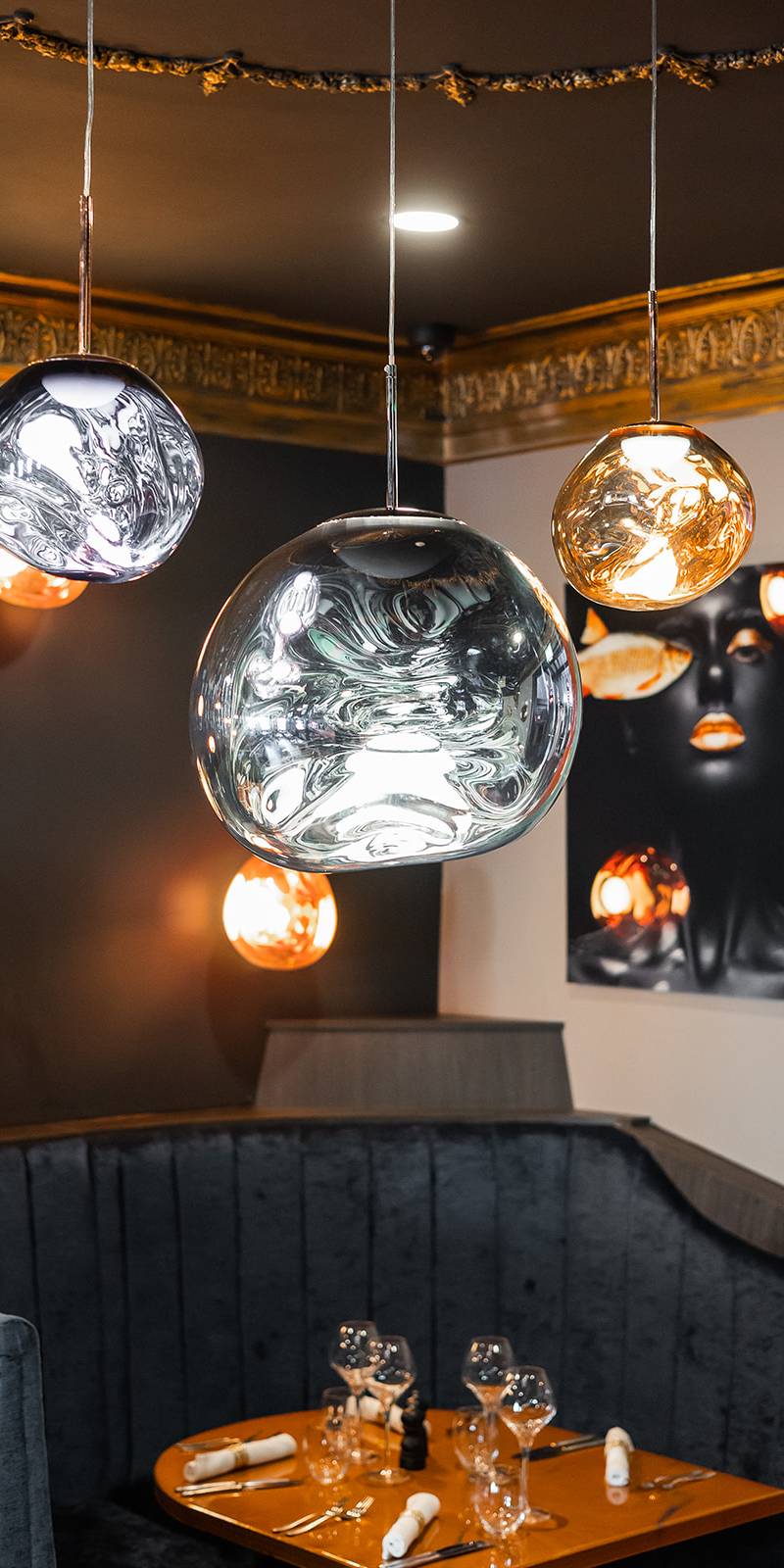
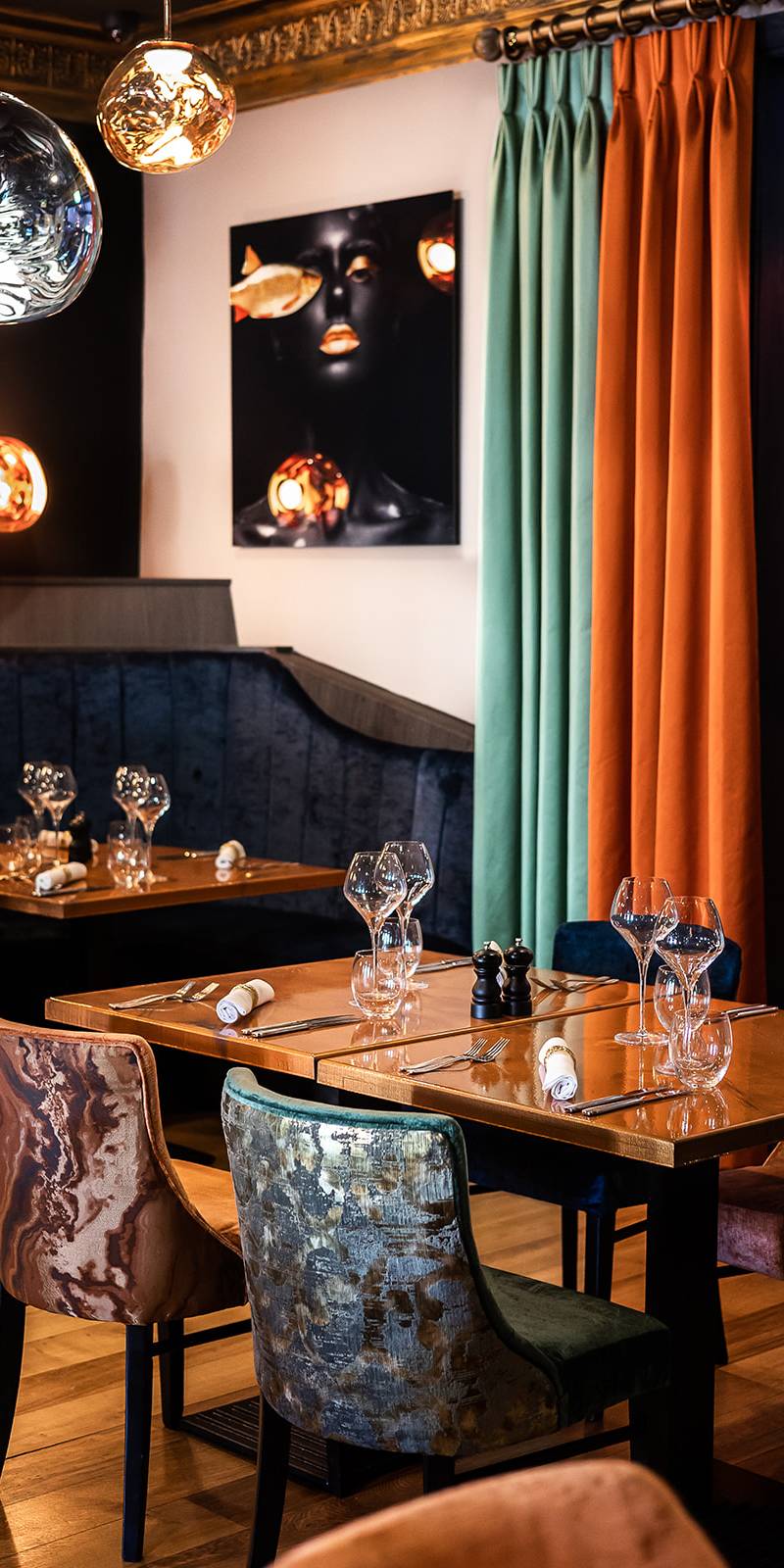
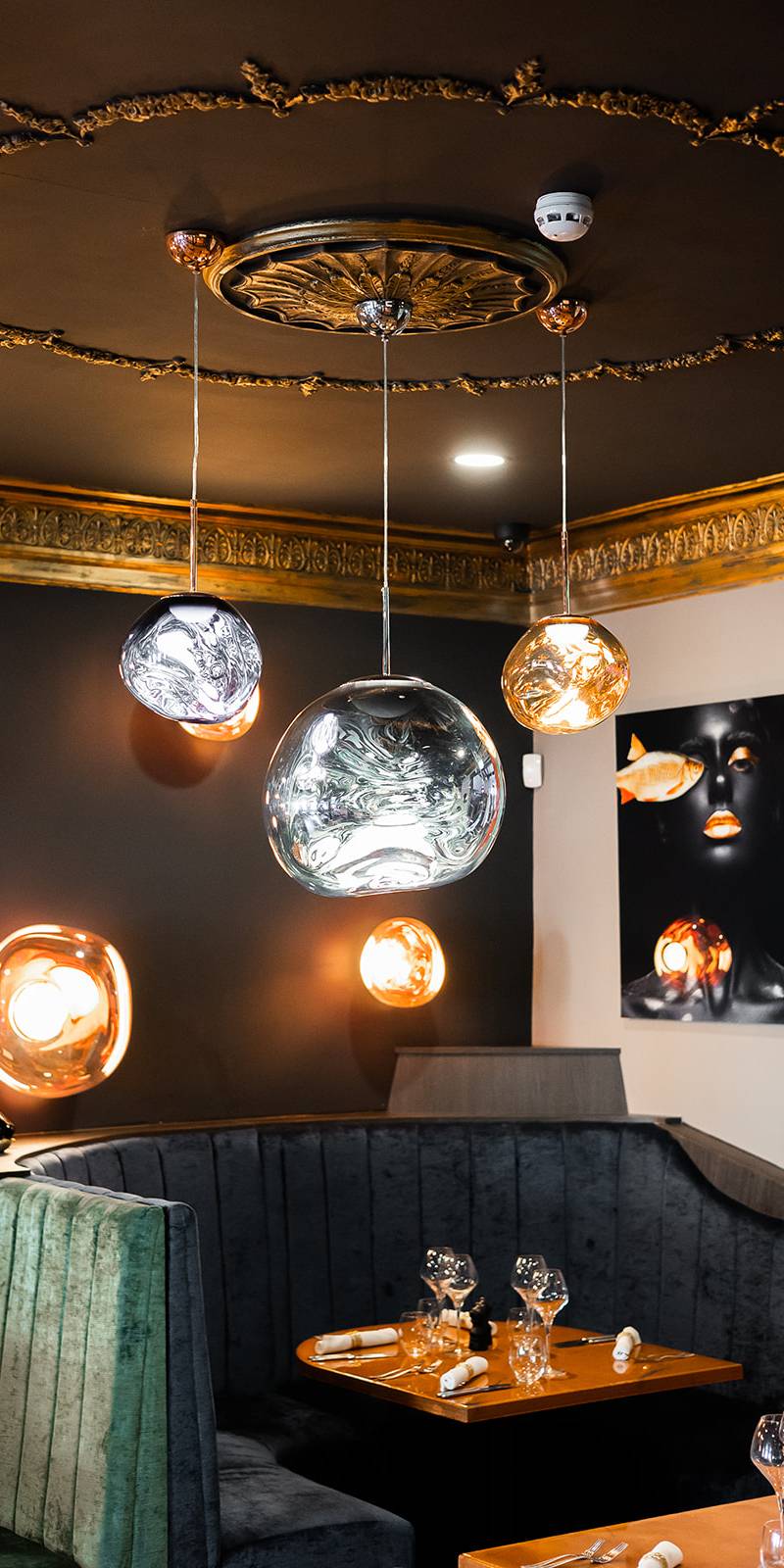
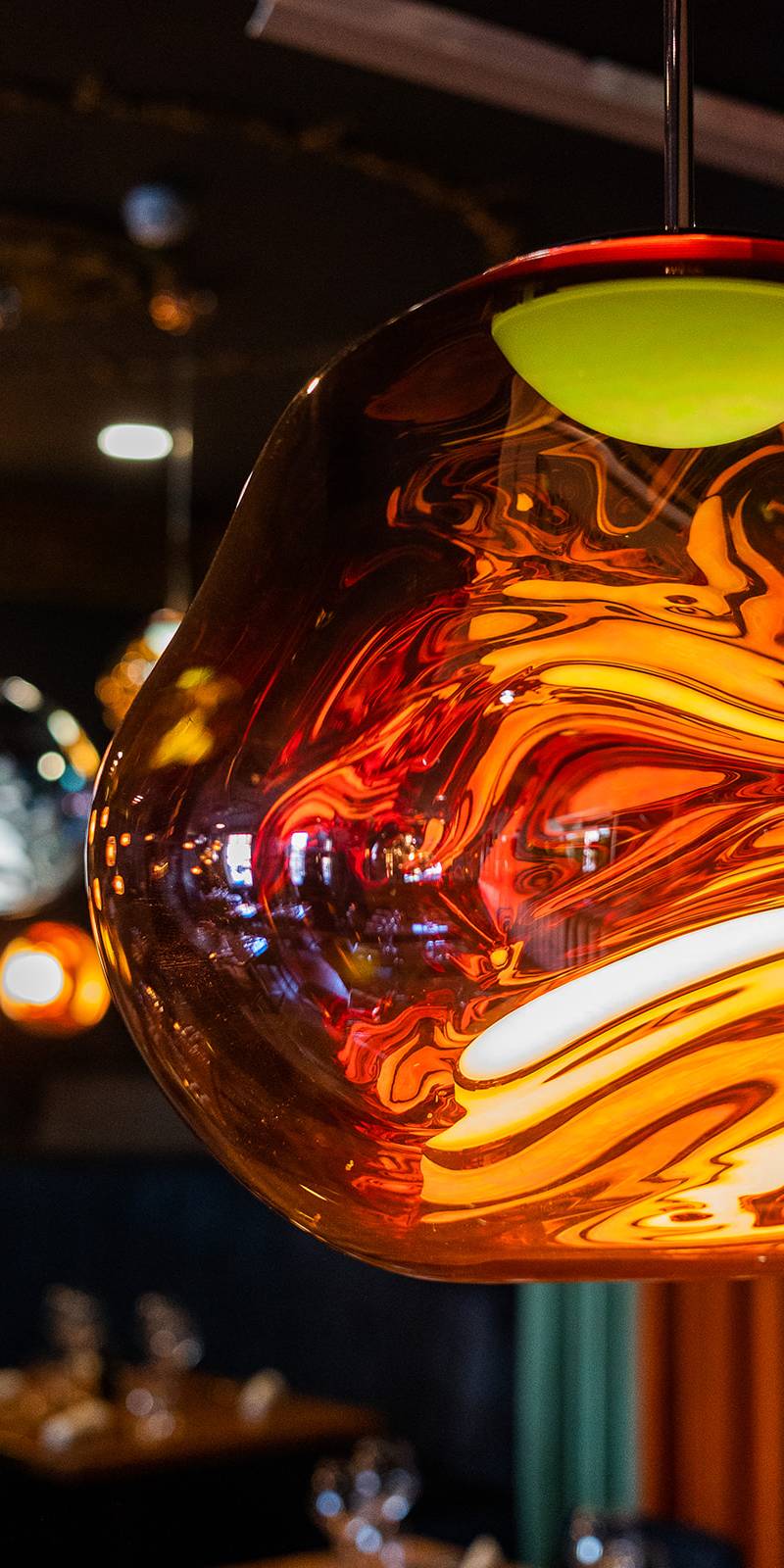
The Funky Monk in Epping — a restaurant with boutique rooms — is Tone’s landmark hospitality work in the town: interiors that have to perform under daily trade and still feel considered.
See the full project: Funky Monk Restaurant → · See the full project: Funky Monk Boutique Hotel →
The full Tone service range
More across Essex
Frequently asked
What is your design approach for period properties in Epping?
We begin with Discovery—understanding the building’s original structure, proportions, and materials. Concept, Design & Specification then works with, not against, the building’s existing logic. We avoid pastiche and focus on materiality and spatial clarity that respects the period without mimicking it.
How do you handle conservation constraints in Epping interiors?
Conservation considerations are treated as design clarity, not limitation. Protected features become the starting point for spatial and material thinking. We have delivered interiors across Witham and surrounding areas where original elements were honoured and integrated into contemporary living.
What materials do you typically specify for Epping homes?
We specify solid timber joinery, natural stone, authentic plasterwork, and proven paint systems. Material choices are based on longevity, repairability, and honest performance rather than visual fashion. Every specification is tested against a thirty-year horizon.
Can you work with my existing furniture and inherited pieces?
Yes. Discovery involves understanding what the inhabitant owns and values. Concept, Design & Specification integrates existing pieces intentionally rather than designing them out. Many Epping properties contain pieces worth honouring; we build interiors around them.
What is the timeline for an interior design project in Epping?
Discovery typically takes 4–6 weeks. Concept, Design & Specification requires 8–12 weeks depending on complexity. Commission and delivery depend on material availability and building conditions. We do not rush; we do not commit to false timelines.
Walk YOUR home with Manong before a single thing is specified.
The Discovery is the first stage of every Tone Commission: a structured meeting at YOUR property or at the studio, where Manong walks YOUR brief with you and tells you plainly what she would do with the space. She is the designer on every Commission she takes, and the work is never handed to a junior. The Discovery is a paid stage, credited in full against the design fee if you both decide to go on, so YOU find out what YOU are dealing with either way.
Request a Discovery