ESSEX INTERIOR DESIGN
Interior Design in Great Dunmow, Built to Last
Great Dunmow’s character lies in its medieval market town fabric and the quality Georgian and Victorian terraces that line its high street—homes that demand thoughtful, restrained design. We work here as we work everywhere: through Discovery, Concept, Design & Specification, Commission, and Reveal.
Great Dunmow is defined by its conservation area and the particular discipline required of any interior undertaken within it. The town’s housing stock spans timber-framed cottages, period terraces with deep sash windows, and later Victorian villas set back from the main thoroughfare. Each demands different thinking. A contemporary kitchen inserted into a Georgian townhouse requires as much rigour as a bedroom scheme in a 1960s suburban property. We approach each with the same methodology: understand the bones first, then design from restraint rather than addition.
The Discovery phase in a Dunmow home typically begins with understanding not just the client’s brief, but the architecture itself—ceiling heights, original joinery, the relationship between rooms, the quality of natural light at different times of year. A living room that faces north receives entirely different treatment than one with southern aspect. We’ve worked on the Witham Project and Witham Interior, both residential commissions in the neighbouring town, where this kind of architectural literacy proved essential to the success of the scheme. The principle is identical whether the home is in Witham or Great Dunmow.
Concept development here centres on permanence. We’re not designing for the current Instagram aesthetic or the trend cycle. A colour palette chosen for a Dunmow interior should hold its value in five years, in ten years. Texture, proportion, and the quality of materials matter more than novelty. When we specify a sofa or a paint finish, we’re thinking about how it will age, how it will be lived with, whether it will sustain interest through repeated exposure. This is where competence becomes visible—not in flash, but in the absence of regret.
Concept, Design & Specification is where the actual work crystallises. Joinery drawings, material boards, lighting plans, furniture layouts—all documented to the level of precision that allows a client to see the finished interior before a single order is placed. For homes in Great Dunmow’s conservation area, this level of detail is non-negotiable; planning considerations often require drawings and justifications that less rigorous practices skip. We treat this as the norm, not an exception. The Great Brackstead Residence and our work in Grays demonstrate this commitment to specification as a legible part of the design process.
Commission and Reveal follow naturally when the groundwork is sound. We manage the procurement and installation of every element—coordination between trades, timing, quality assurance on site. The Reveal is not a theatrical moment; it’s the point at which a well-executed design becomes a liveable, sustainable interior. The client should feel not surprised, but understood.
Great Dunmow’s position within Essex, its proximity to London Embankment and the commuter belt, means we encounter a particular type of client here—often London-aware, rarely amateur about design, increasingly interested in homes that function beautifully rather than photograph artificially. That alignment is where we work best. We’re available for Discovery conversations with anyone in the town or the wider area who recognises that good interior design is a discipline, not a service.
If your Great Dunmow home needs design—whether it’s a single room or a whole-house scheme—the first step is a conversation. We’ll listen more than we talk, ask about how the space is used, what matters to you, what you’re willing to live with and what you’re not. From there, a proposal for Discovery will follow. No pressure, no timeline imposed from our end. The best interiors take the time they need.
Delivered in Great Dunmow
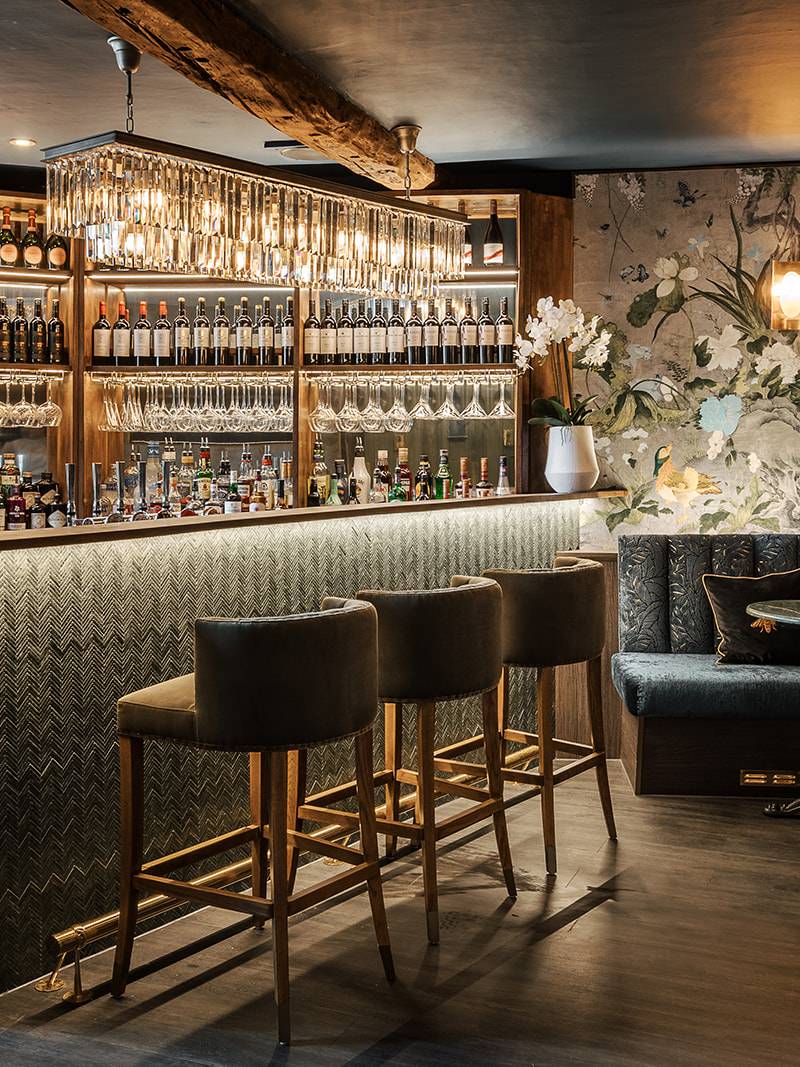
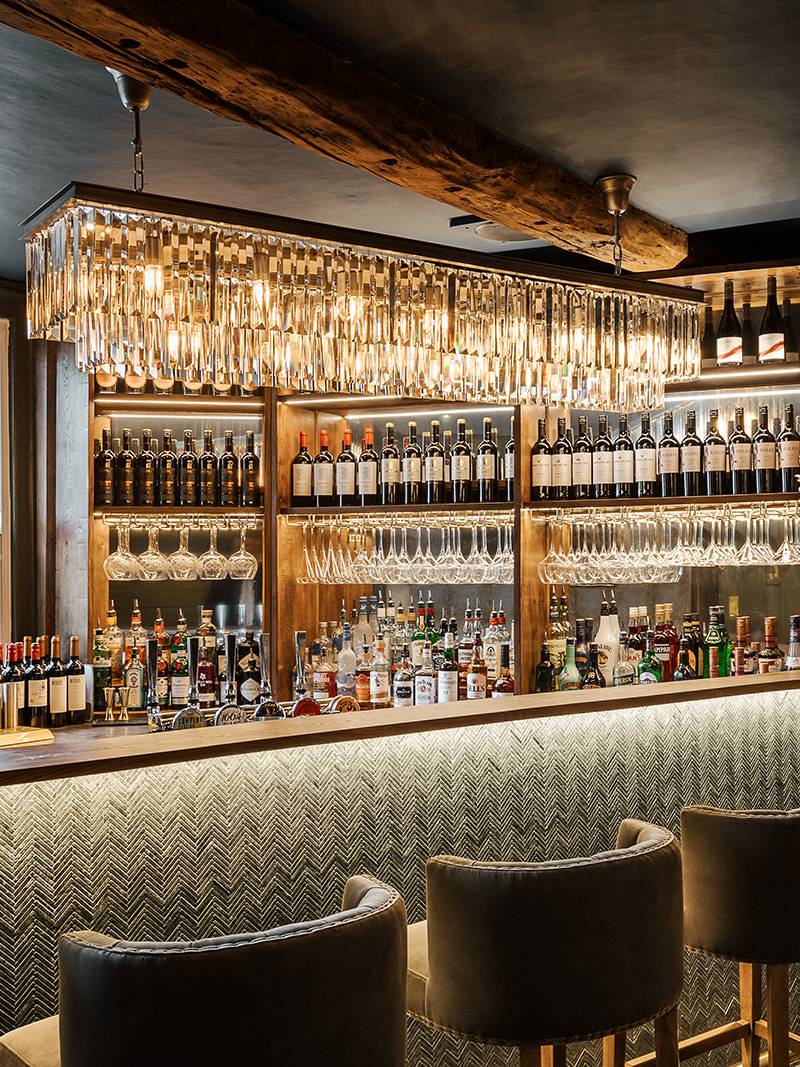
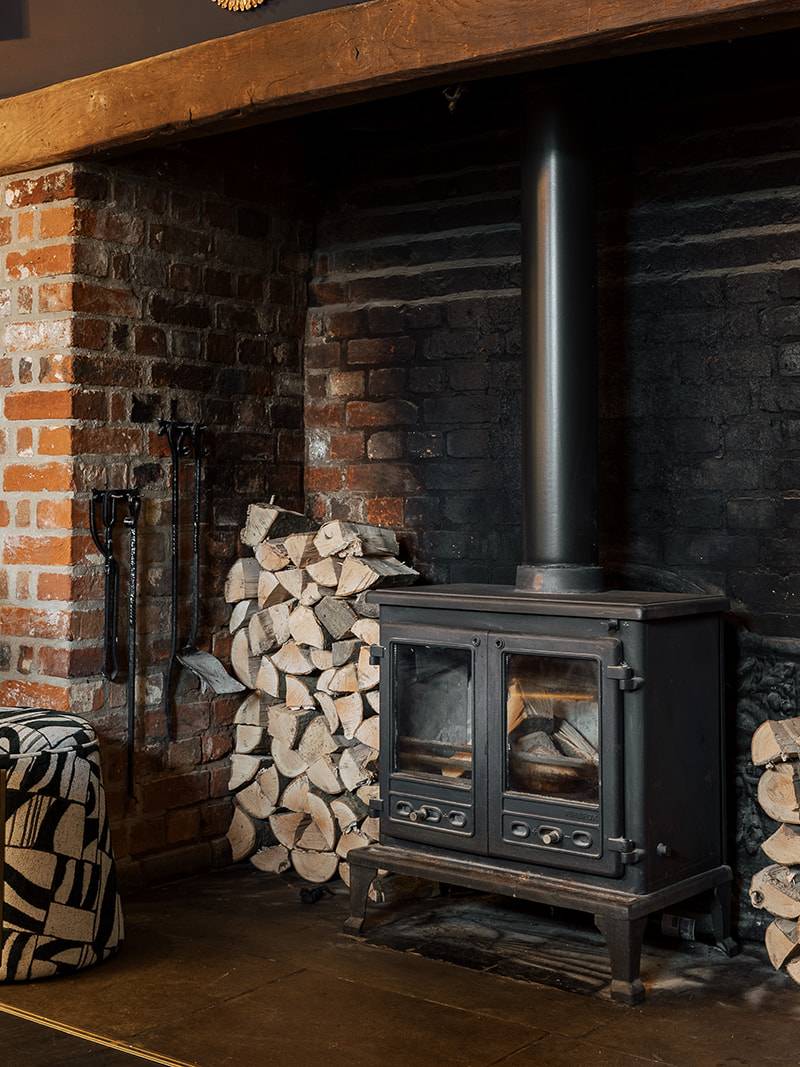
The Starr Inn
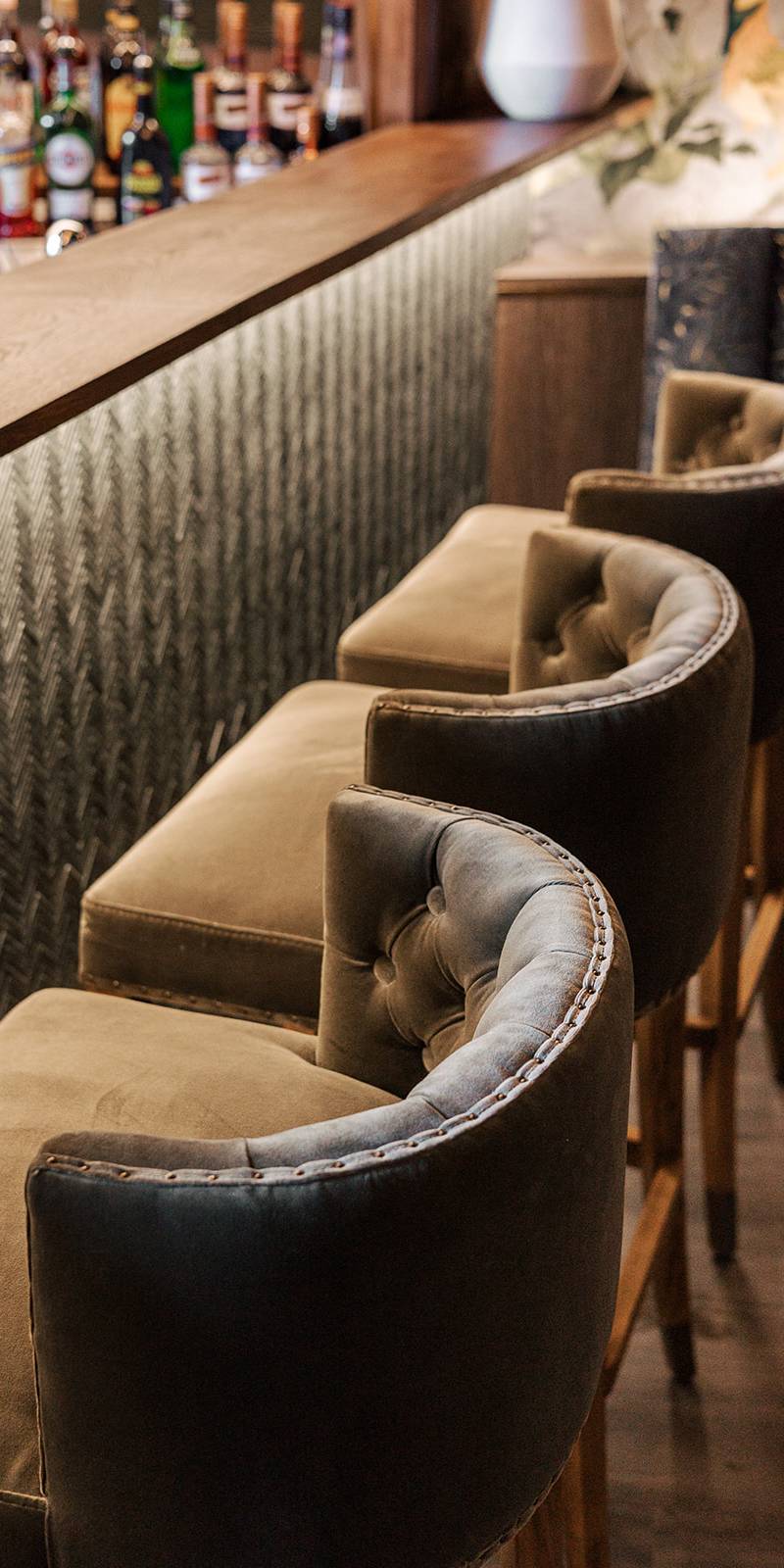
Tone designed The Starr Inn in Great Dunmow — and two years on, when a new landlord took over the premises, he asked Tone back to revamp it again. Photographed, operating and, on the strength of the first job, commissioned twice.
The full Tone service range
More across Essex
Frequently asked
Do you work on listed buildings in Great Dunmow?
Yes. Much of Great Dunmow’s conservation area contains listed properties. Listed building work requires the same rigorous design process we apply to any home, often with additional planning and conservation officer liaison. The methodology doesn’t change; the detail and documentation become more thorough.
What is the Discovery phase?
Discovery is the listening stage. We visit your home, understand the architecture, discuss your life within it, identify what needs to change and what should remain. We ask about how you use each room, what light matters, what’s broken and what works. From this we develop a proposal for the next stages.
How long does the full process take?
Concept, Design & Specification typically spans 8–12 weeks depending on complexity. Commission—ordering and coordination—varies by the scope of work and lead times for bespoke elements. We don’t rush; we work to the timeline the project requires, not an arbitrary deadline.
Do you work with local trades and suppliers in Essex?
Where appropriate, yes. We’ve built relationships with joiners, plasterers, and specialists across Essex and the broader region. We also source from further afield when the right maker or material isn’t local. The principle is always quality and fit-for-purpose, not geography.
What is your approach to colour in period homes?
Colour is resolved through Concept, Design & Specification, informed by the home’s architecture, light, and your life within it. We don’t impose a historical palette or a contemporary one; we choose what sustains both the building and the inhabitant. Period homes deserve colour considered as carefully as everything else.
Walk YOUR home with Manong before a single thing is specified.
The Discovery is the first stage of every Tone Commission: a structured meeting at YOUR property or at the studio, where Manong walks YOUR brief with you and tells you plainly what she would do with the space. She is the designer on every Commission she takes, and the work is never handed to a junior. The Discovery is a paid stage, credited in full against the design fee if you both decide to go on, so YOU find out what YOU are dealing with either way.
Request a Discovery