HOSPITALITY DESIGN
Restaurant interiors built to outlast trends, not follow them
A restaurant interior lives under constant scrutiny—staff movement, customer wear, changing light, seasonal demand. We design for that reality, not the opening night photograph.
The difference between a decorated restaurant and a designed one becomes apparent within six months. Decorated spaces rely on novelty, colour, material statements that announce themselves loudly. They exhaust quickly. Designed restaurants work because every decision—material choice, proportion, lighting angle, service flow—serves a purpose that extends beyond initial impression. The Starr Pub Hardware Bar demonstrates this principle: a hospitality interior that functions as a workspace for staff, a comfortable gathering space for customers, and a coherent whole that improves with use rather than diminishing. That permanence is what distinguishes genuine design from trend application.
Your Discovery phase with us begins not with mood boards but with questions about your operation. Who will use this space, and how? A fine-dining kitchen demands different spatial logic than a high-turnover neighbourhood restaurant. Service patterns, customer dwell time, noise expectations, maintenance reality—these are the constraints that shape authentic design. We observe similar establishments, understand your specific customer base, and map the genuine functional requirements that interior design must support. This is where restraint begins: understanding what truly matters, and removing everything else.
During Concept, Design & Specification, we translate operational reality into spatial form. Material selection reflects actual use: finishes that withstand cleaning schedules, furniture that accommodates extended service hours without degrading, lighting that serves both aesthetic and practical function. A restaurant interior must support staff efficiency and customer comfort simultaneously—a tension that cannot be solved by styling, only by considered design. Colour palettes become restrained because restaurants live in these spaces daily; bold statement walls tire quickly for those who work there. Proportions derive from how bodies move through the space, not from symmetry or visual drama. Acoustic treatment addresses actual noise, not aesthetic preference.
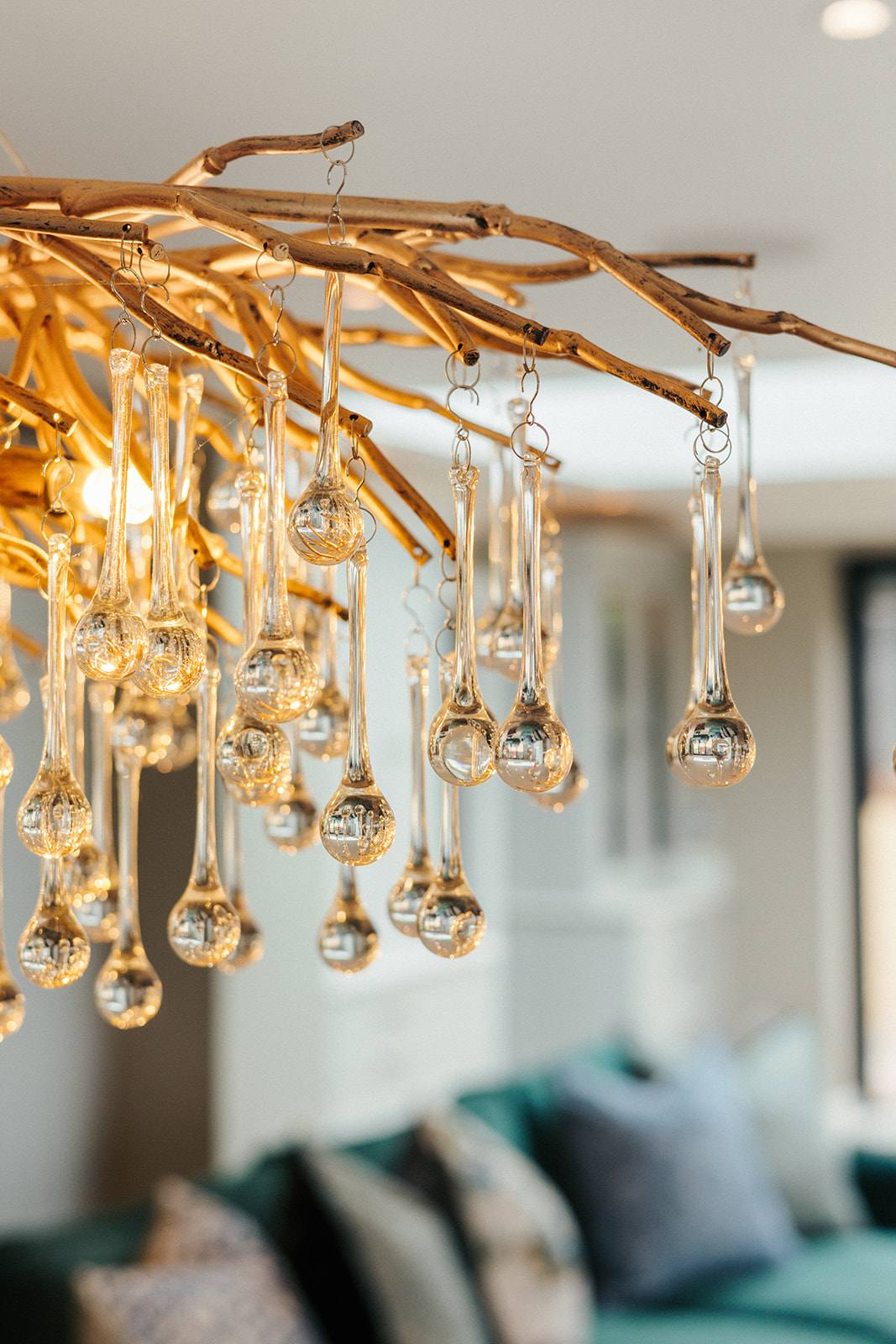
Our hospitality work includes The Starr Pub Hardware Bar, where the design brief required a space that functioned as both bar and social gathering point. The solution involved careful material pairing, considered joinery, and spatial planning that appeared effortless because it was thorough. No decorative excess. No trendy finishes chosen for Instagram impact. The interior was designed to be slightly invisible to customers while supporting staff operation perfectly—the mark of competent hospitality design. Lighting was calibrated to feel natural rather than styled. Furniture was selected for durability and comfort, not novelty. The space has aged well because it was never fashionable; it was designed.
The Commission phase involves careful specification: every supplier confirmed, every detail documented, finishes approved at scale, installation methodology agreed. For restaurant projects, we work closely with your contractor and operational team to ensure the design translates without compromise. Timing matters enormously; kitchen equipment installation sequences with joinery, flooring finishes require environmental conditions, surface durability must be verified before handover. Restraint during this phase means resisting last-minute aesthetic additions. The design is complete; execution should prove it, not embellish it.
Reveal in a restaurant context means service begins, and the design proves itself through actual operation. A well-designed restaurant interior functions transparently; customers notice comfort and coherence without analysing why. Staff notice efficiency—movement feels natural, cleaning is straightforward, the space supports rather than hinders their work. Months pass, seasons change, the interior weathers normally. No surfaces fail prematurely. No colour choices become regrettable. The design matures rather than decays. This is the only measure of restaurant interior design that genuinely matters: does it serve your business for years without requiring redecorating or major repair.
Our approach to restaurant design rejects trend-following entirely. We do not propose designs because they are currently fashionable or because similar restaurants have used similar palettes. Instead, we work from first principles: What does your restaurant actually need? What will your customers value? What will your staff appreciate during their working day? What materials will genuinely perform over three, five, ten years? These questions produce interiors that age with dignity, that improve with patina, that become more valuable as time passes rather than less. This requires confidence in restraint, competence in specification, and willingness to design for permanence rather than impact.
The permanence philosophy extends to all our work, whether hospitality, commercial, or residential. Beaulieu Dental Practice, Fruittii Hair Salon, Keystones Estate Agent, and Tone at Canary Wharf were all designed with the same commitment: create interiors that function excellently for staff and visitors, that weather well, that require no redesign because they were designed properly the first time. A restaurant is an intensely used space; it demands this approach more urgently than most. Your interior is not a marketing asset to be refreshed seasonally. It is the physical expression of your restaurant's values. We design it to be worthy of that responsibility.
The full Tone service range
Explore by area & sector
Frequently asked
How do you approach designing a restaurant interior differently from other commercial spaces?
Restaurant interiors are lived in intensely by both staff and customers. We prioritise operational efficiency, material durability, and acoustic comfort alongside visual coherence. The design must support a working kitchen, serving staff, and customer experience simultaneously—a complexity that requires genuine spatial planning, not styling. Every material choice reflects use patterns and maintenance reality, not fashion.
What happens during the Discovery phase for a restaurant project?
We observe your operation, understand your customer profile, map service flows, and identify the genuine functional constraints the interior must support. We ask: Who works here daily? What are the peak-hour patterns? What maintenance schedules exist? What noise levels are acceptable? These questions shape design that actually serves your business.
Why do you avoid trendy finishes and bold colour statements in restaurant design?
Trends exhaust quickly, especially in spaces where staff and regular customers spend extended time. Restrained palettes and timeless material choices age with dignity and improve with use. A restaurant designed for permanence rather than novelty becomes more valuable over time, not less. It also reduces the likelihood of expensive redecorating or material failure.
How does specification detail affect the final restaurant interior?
Comprehensive specification ensures materials perform under actual use conditions, finishes are durable and maintainable, and installation methodology is clearly documented. For restaurants, this detail prevents premature failure, ensures staff can clean and maintain surfaces efficiently, and guarantees the design functions as intended when service begins.
Can you design a restaurant interior that feels distinctive without following current trends?
Yes. Distinctiveness derives from responding authentically to your specific operation, customer base, and location—not from adopting fashionable aesthetics. The Starr Pub Hardware Bar is distinctive precisely because it solves its particular brief thoughtfully. Restraint and coherence create character that lasts; novelty and styling do not.
Walk YOUR home with Manong before a single thing is specified.
The Discovery is the first stage of every Tone Commission: a structured meeting at YOUR property or at the studio, where Manong walks YOUR brief with you and tells you plainly what she would do with the space. She is the designer on every Commission she takes, and the work is never handed to a junior. The Discovery is a paid stage, credited in full against the design fee if you both decide to go on, so YOU find out what YOU are dealing with either way.
Request a Discovery