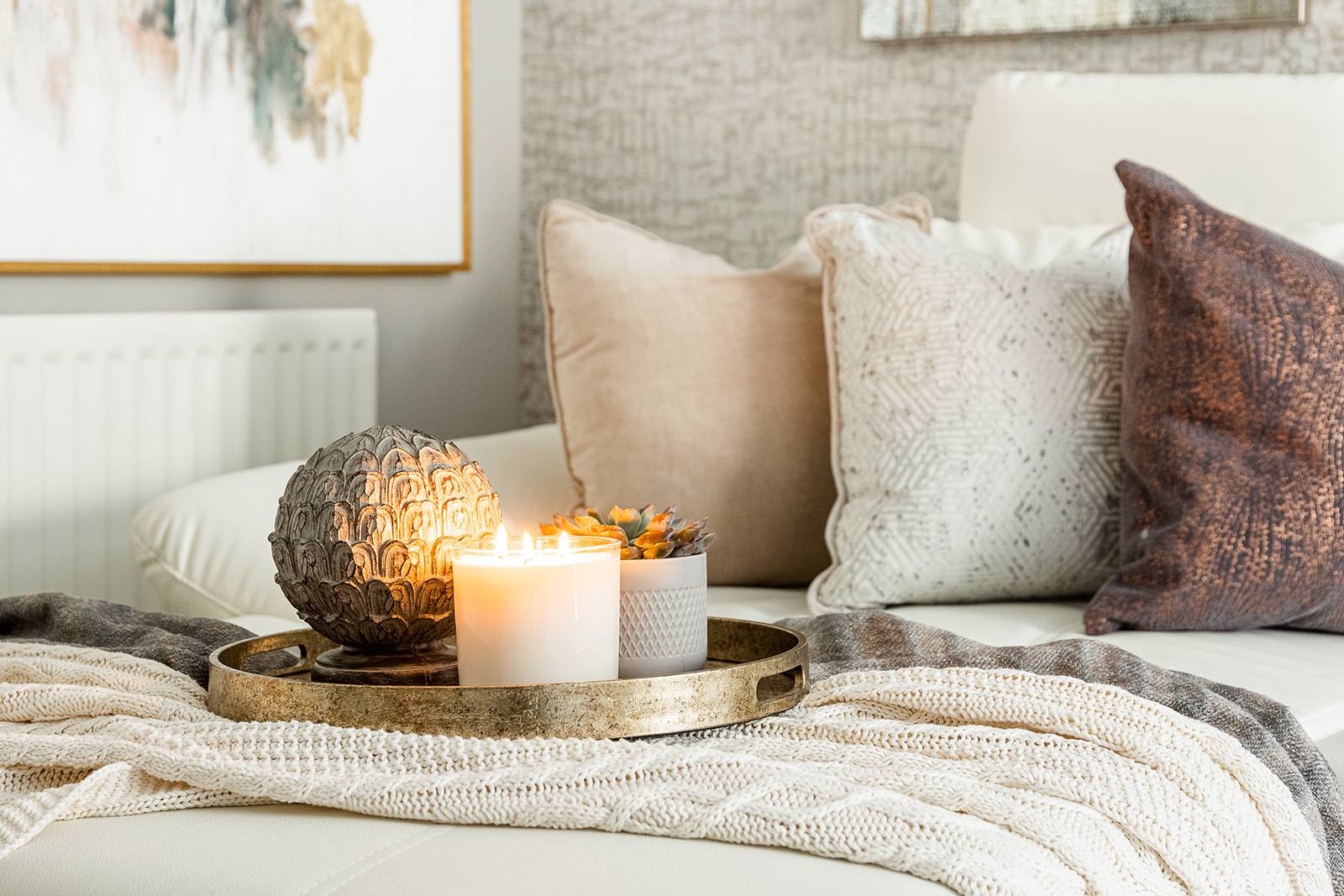
Low-budget decoration succeeds when you prioritise what stays, invest in foundational pieces, and treat cosmetic elements as layered additions rather than essential purchases. The studio’s approach focuses on restraint: identifying which surfaces and pieces justify real spend, which can wait, and which solve multiple problems at once. This reduces waste and ensures your money works across the whole interior, not scattered across trending items.
Start with what already exists in your space
Before spending anything, audit what you own and what the room itself offers. Walls, floors, and fixed architectural features form the largest visual plane in any home. Paint, for instance, transforms a room at modest outlay—and choosing a neutral, durable finish extends the life of that investment because it sits comfortably alongside furniture you may change later. During the Discovery phase, the studio identifies these foundational elements first, because they set the palette and proportion for everything else.
Existing furniture, even pieces you think you dislike, often has longer working life than replacement. A reupholstered sofa keeps its original frame, springs and structure intact while presenting an entirely renewed surface. This costs less than disposal and purchase combined, and it preserves the integrity of a piece that already fits your space. Similarly, solid timber tables, wooden chairs and cabinet carcasses become the anchors around which you can introduce smaller, fresher elements. The Witham Project and London Embankment Apartment both demonstrate how restraint with existing large pieces leaves budget for targeted intervention elsewhere.
Distinguish between what needs investment and what doesn’t
Not every surface, fixture or item deserves the same budget allocation. The studio’s Concept, Design & Specification stage identifies hierarchy: items that carry wear, daily use, and visual weight receive proportionally higher spend. A bed frame, a dining chair you sit on regularly, kitchen worktops, flooring and lighting—these are long-term commitments. Conversely, soft furnishings like cushions, throws, artwork and small decorative objects are layered additions that you can introduce gradually, source secondhand, or swap as budget allows without structural disruption.
Lighting deserves particular attention at modest spend. A well-chosen ceiling fixture or a functional task light serves you reliably for years and anchors the perception of a room far more than objects you place on shelves. Conversely, a decorative object on a mantelpiece can be sourced cheaply, replaced freely, or omitted entirely without damaging the integrity of the interior. This is not about minimalism for its own sake; it is about spending where the return is genuine longevity and where your money compounds over time rather than evaporating into trend.
Use colour and material restraint to reduce visual noise and budget stress
Colour and material proliferation drives budget anxiety because the impulse to fill every surface creates constant minor purchases. Limiting your palette—to two or three dominant tones plus one accent—means every new piece you add works within a coherent framework rather than against it. Neutral base colours (warm or cool greys, soft whites, off-whites, muted earth tones) create visual calm and allow secondary pieces to land with intention rather than visual conflict. The London Embankment Apartment uses this discipline rigorously: a restrained base allows targeted material choices—a single premium upholstery, a feature floor finish—to read as considered rather than scattered.
Material consistency compounds this effect. If your larger furniture pieces favour natural timber, linen, wool or leather—materials that age visibly but retain character—you can confidently source smaller items in the same language without fear they will clash. A secondhand wooden chair sits naturally beside a new one in the same finish. An older sofa and a new cushion made from natural linen read as intentional pairing, not mismatch. This approach actively reduces the number of items you must buy new because existing pieces remain visually and materially congruent.
Where does secondhand furniture fit into a coherent interior?
Secondhand and vintage pieces integrate successfully when they share material or finish language with the rest of the room. A mid-century wooden sideboard is not a bargain find dropped into a contemporary setting; it is a piece that speaks the same material dialect as your other furniture. The studio’s approach during Concept, Design & Specification establishes that dialect first, so that when you source secondhand items later, you are matching against a clear brief rather than hoping things work. This prevents the false economy of buying cheap items that clash and must eventually be replaced.
The Keystones Estate Agent project demonstrates how commercial interiors use a foundational material and finish language that allows flexibility in sourcing and replacement. The same principle applies at home. When you know whether your palette centres on warm timber, cool metals, textured plaster or polished surfaces, secondhand sourcing becomes strategic rather than opportunistic. You are looking for specific items that fit a known framework, not collecting things and hoping they cohere.
Build your interior gradually rather than all at once
The single most effective budget strategy is patience. Complete interiors do not need to arrive simultaneously. Establish your foundational layers first—paint, flooring if necessary, large furniture pieces—and allow smaller elements (artwork, cushions, plants, lighting accessories, books) to accumulate over months or years. This has multiple advantages: your budget stretches further because you are purchasing in phases rather than making panic decisions to fill every empty surface; your taste refines as you live in the space, so later additions reflect genuine preference rather than initial guesswork; and you can respond to sales, secondhand sources and inherited pieces without derailing a fixed plan.
The studio’s Commission and Reveal stages install the structural and foundational work—this is where your initial investment lands. What follows is personal layering. This separation means the interior is never incomplete or unfinished; it simply continues to deepen. A room with painted walls, placed furniture and clear floor is entirely functional and visually restful, even if no cushions or artwork have arrived yet. Each subsequent piece you add is an addition to something stable, not an attempt to rescue something bare.
Apply the same discipline in small spaces and commercial contexts
Budget constraints often accompany smaller rooms, where every choice is more visible and every purchase more consequential. The Fruittii Hair Salon and Beaulieu Dental Practice are commercial examples where restraint was not optional but essential to function. Both spaces achieve calm and visual coherence through limiting palette, choosing durable materials that justify their cost, and allowing architectural or foundational elements to carry visual weight rather than filling with objects. A haircut salon does not need ten decorative items on walls; it needs considered colour, quality flooring, robust seating, and excellent lighting. The same logic applies to a bedroom, a study or a small flat.
In constrained spaces, every piece must earn its presence through either function or genuine visual contribution. A shelf that holds books and objects serves more actively than a shelf that requires styling. A mirror that reflects light and expands the sense of space works harder than a mirror chosen purely for frame colour. This is not deprivation; it is efficiency. Your budget accomplishes more because it addresses real needs rather than visual filler.