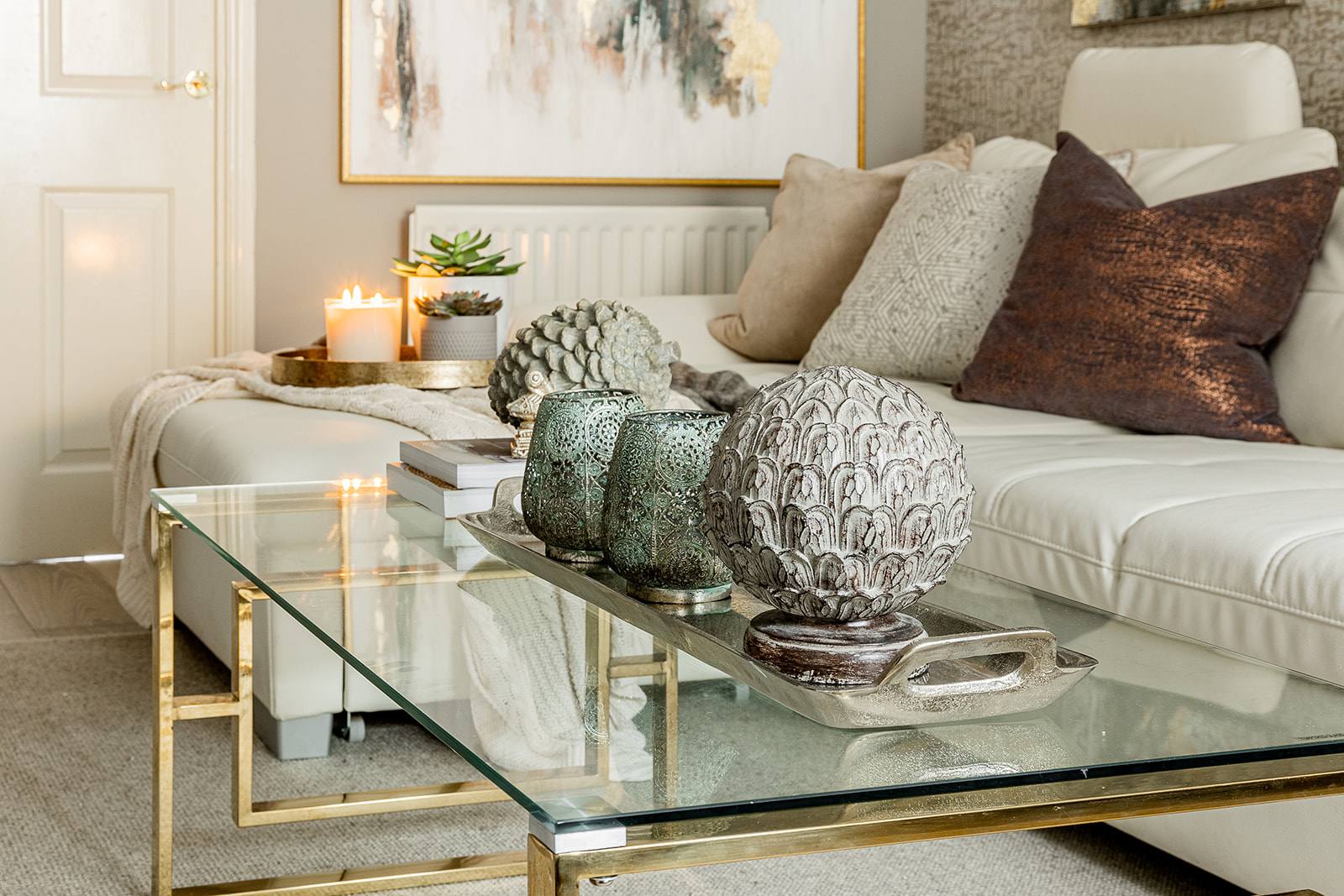
Traditional and modern blend when you start with how you actually live in the house, not with a style name. The detail that holds them together is restraint’the choice of what to leave out, which means every piece you keep earns its place. This works because your home reflects who you are now, not a decorator’s idea of what traditional or modern should look like.
What people mean when they say traditional modern
Traditional modern is not a style. It is a method of listening to what matters to you’the things you want to keep from your past, the things you need for how you live now’and making them speak to each other instead of fight. A Victorian terrace in Bexleyheath sits better with contemporary comfort if the new work respects the bones of the house and the family who lives in it. A Witham home that has been lived in for twenty years works harder when the interior reflects the owner’s life now, not the life they imagined when they moved in.
The confusion comes from treating traditional and modern as opposing teams. They are not. They are tools. A period detail’say, a four-storey staircase’can carry a newly designed wallpaper. A contemporary kitchen can sit inside a room with a cornice and high ceilings because the kitchen respects the proportions of the room. The join happens when every choice serves how the family uses the house, how traffic flows, and how the day actually works.
Why your house stops matching who you have become
You moved in at one stage of life. The kitchen layout made sense then. The colour palette seemed right. The rooms worked the way you used them. Ten years on, you entertain differently. You work from home now. Your children have grown. The room that was a nursery sits quiet, but you cannot change it because no one knows what it should become. The house still looks how it did, but it no longer feels like the home of the person you are.
This is the cost of leaving it alone: quiet evenings spent in rooms that do not fit, a guest room that makes guests uncomfortable, a kitchen where the workflow still frustrates you three times a day, a living space that does not work for how you actually gather. While you wait for the perfect designer or the perfect moment, another six months pass and the room is still not finished. By the time you find someone, you have lost a year of living well in your own house.
How the blend actually works: listening before designing
The method starts with Discovery. Not with a mood board or a style decision. Not with a colour wheel. With a conversation about you. How do you use each room? Where do you sit? Who comes to visit and what do they see first? What matters to you from the house you grew up in? What do you want your home to say about who you are now? These questions extract your vision in your own words. That becomes the design.
A retired couple in Bexleyheath trusted Manong to carry the work through while they travelled. They came home to a house that still felt theirs’the proportions unchanged, the character of a Victorian terrace kept’but every room now works for how they live. The hallway leads somewhere. The stairs carry light. The main bedroom is restful. None of this happened by applying a style. It happened by understanding what the couple needed and letting that drive every choice.
Traditional modern shows because the space breathes. Nothing is there by accident. A bespoke wallpaper sits on a period staircase because it was designed for that exact wall, in those exact proportions, in colours that honour the room and the people who climb those stairs every day. A contemporary light sits beside a traditional cornice because they both serve the room and the life inside it.
The detail that holds it together: restraint
Restraint is the hardest choice because it means leaving things out. It means not filling every wall. Not painting every surface. Not choosing the bold option because it is available. Restraint means each piece you keep is there because it works for you, because it reflects how you live, because without it something would be missing.
When you work with Manong, the design is unique to you because it is driven by your vision and aspiration, not by a template or a trend. The sitting area in your living room is arranged for how your family actually gathers. The colour on the walls is chosen because it holds the light you see at that hour, because it makes the room feel like the size it actually is, because it is true to how you want to feel in that space. A Witham home works differently than a London flat than a commercial practice because each one is built around the people and the work inside it.
Why this matters when you hand over the keys
You spend more time in your home than anywhere else. It is where you rest, where you work now, where you gather with people who matter. An interior that does not fit costs you quiet satisfaction every single day. The pride in your home comes not from the name of a style, but from walking into a room and knowing it is yours’that every choice in it reflects who you have become and how you actually live.
Manong has won the trust of clients like the Bexleyheath couple because the work is delivered to a standard she is happy with. Because the detail matters. Because the running back and forth between supplies and the thinking time and the redoing of things until they work is not something you see’you only see the finished room and the way it makes you feel.
The first step: a conversation about your rooms
You start with a phone call. Not a questionnaire or a form. A call to understand what your house needs and whether Manong is the right fit for the work. You describe the rooms, how you use them, what matters to you. She listens. She asks the questions that pull your vision into words. Nothing is promised until she has seen the house in person, understood the scope, and put together a proposal you can sign off before any design work starts.