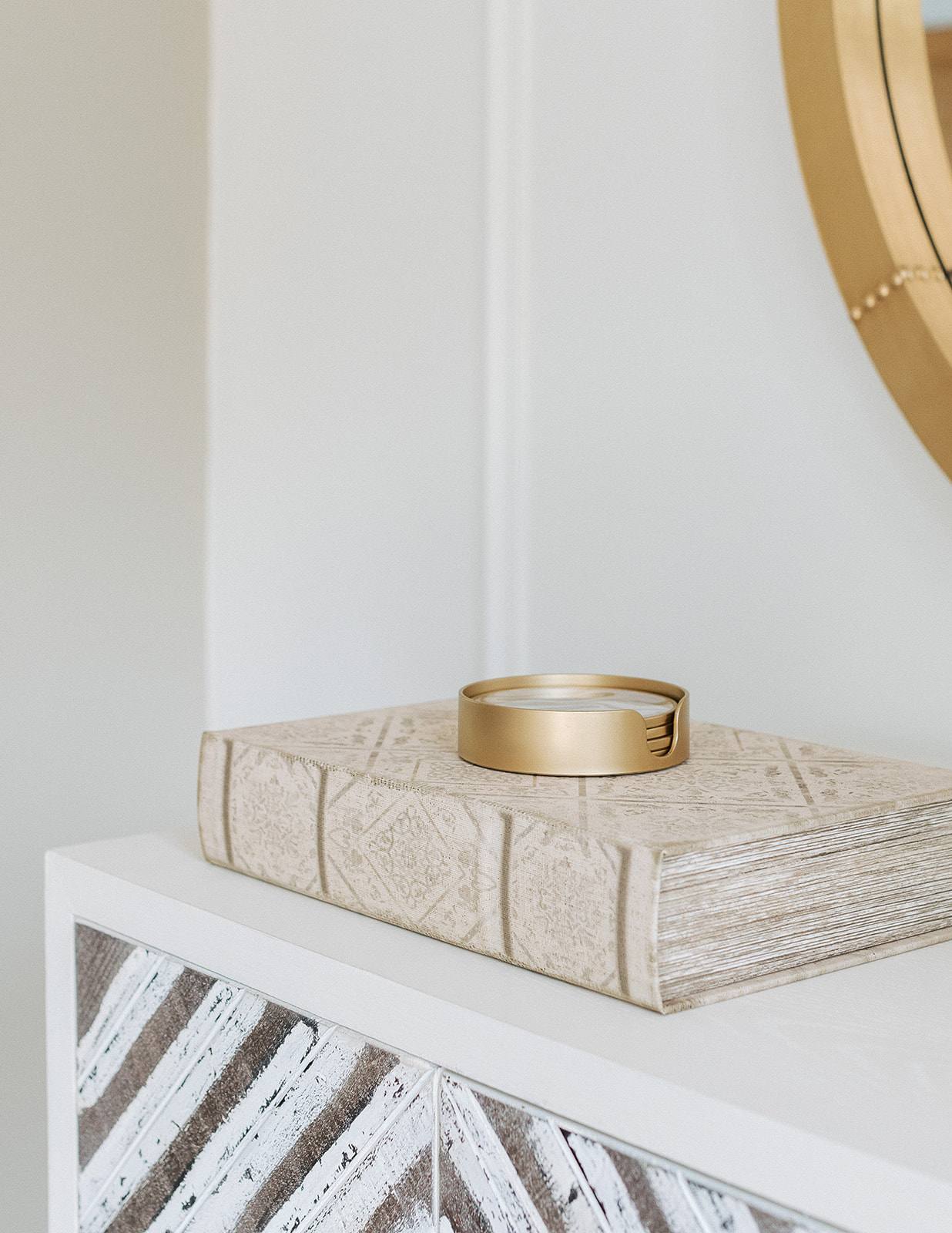
A resolved show house interior begins with a clear Discovery phase that establishes the space’s purpose and audience, followed by a coherent Concept that informs every choice. Most interiors feel decorated because they skip the thinking work. Strategic restraint — removing what doesn’t serve the narrative — is what separates a curated reveal from a collection of ideas.
Why does Discovery matter before you choose a single material?
The Discovery phase answers three questions that most show house planning skips: Who will occupy or view this space? What does it need to demonstrate? What constraints does the architecture itself impose? Without these answers, selections feel arbitrary. When the London Embankment Apartment was designed, the Discovery phase revealed that the client needed a primary residence that could host professional gatherings without losing its sense of home. That single fact shaped every decision that followed — from material durability to seating arrangement to colour palette.
A show house, unlike a lived-in home, must communicate intent clearly to viewers who spend minutes, not months, inside it. Discovery for a show house asks: What is the primary narrative? Are you demonstrating a lifestyle, a design philosophy, a response to architecture, or a technical capability? The Keystones Estate Agent project succeeded because Discovery established that the space needed to feel both professional and accessible — a clarity that made every subsequent choice logical rather than decorative. Without this clarity, a show house becomes a showroom.
How does Concept guide every decision that follows?
Concept is the moment a design studio translates Discovery findings into a governing idea. This idea acts as a filter: does this material, colour, or piece of furniture serve the concept, or does it distract from it? The Witham Project’s Concept was grounded in the existing architecture’s proportions and materiality — rather than imposing a trend, the design amplified what the house already wanted to be. That single, clear concept meant every surface, every furnishing, every lighting decision could be tested against a single question: does this strengthen the narrative or compete with it?
A concept is not a mood board or a colour scheme. It is a statement about what the space is for and how it should feel. Beaulieu Dental Practice’s Concept centred on creating a clinical environment that felt human and calm — which meant rejecting materials and layouts that would have felt colder, even if they photographed well. When you have a robust Concept, your show house avoids the trap of visual busyness. Restraint becomes strategic rather than cautious.
What does Concept, Design & Specification actually control in a show house?
Concept, Design & Specification translates Concept into a buildable, viewable reality. This stage specifies every material, finish, dimension and installation detail. In a show house context, this precision prevents the visual chaos that emerges when decisions are made on site or when selections are generic. The Tone at Canary Wharf project’s Concept, Design & Specification phase included the selection of plasterboard finishes, joinery detailing, and lighting colour temperatures — details that feel invisible to a viewer but create the coherence they feel when they enter the space.
Many show houses fail at this stage because the studio treats Concept, Design & Specification as implementation rather than decision-making. Fruitïi Hair Salon’s success came from specifying not just what colour the walls would be, but what finish (matte, satin, gloss) and what light source would render that colour truthfully. Specification also controls what is *not* in the space — which surfaces are detailed, which are left plain, where pattern or texture appears and where restraint holds. This is where decorating stops and design begins.
How should you prepare a show house space for the Reveal?
The Reveal is the moment a show house interior is complete and viewable. Preparation for Reveal includes understanding how natural light will move through the space at different times, how viewers will move through the rooms, and what they will see first. The London Embankment Apartment’s Reveal preparation accounted for how morning light would hit the main living space, ensuring materials and colours read as intended. It also meant clearing sightlines so the primary design intention was immediately visible, not obscured by minor elements.
A common mistake is treating Reveal as photography and presentation only. In fact, Reveal preparation begins during Concept, Design & Specification, with decisions about which surfaces need to be immaculate (because they will be closely viewed) and which can read from a distance. Keystones Estate Agent’s Reveal was successful because the space was designed to feel complete within 30 seconds of entry — every element the client had specified was visible and legible, not hidden or cluttered. This requires active planning, not passive staging.
What separates a resolved show house from a decorated one?
A resolved show house has a single, clear narrative that every element serves. A decorated one has multiple ideas competing for attention. This distinction emerges from rigorous Discovery, a coherent Concept, and precise Concept, Design & Specification. When these three stages are thorough, restraint becomes possible — you remove anything that doesn’t serve the narrative, not out of minimalism as trend, but because it genuinely distracts. The Witham Project’s success came from the confidence to leave walls plain where pattern would have felt busier, not because plainness is fashionable, but because it allowed the room’s proportions to be the primary subject.
A show house that feels resolved also communicates permanence rather than style. Fruittii Hair Salon and Beaulieu Dental Practice both feel as though they will age well because their design is rooted in logic and use, not in the visual trends of the moment. When viewers leave, they remember the feeling of the space and its clarity, not a collection of individual choices. This is the difference between a show house that impresses and one that instructs.
How does understanding process help you evaluate show house design?
If you are planning a show house or evaluating a design studio’s capability, the process they describe matters more than the imagery they show. Ask: How thorough is their Discovery phase? Do they establish a clear Concept before designing? Can they articulate why each material and finish was selected, or do they discuss the project in terms of style or mood? A studio that can walk you through Discovery, Concept, Design & Specification, Commission, and Reveal is demonstrating competence. One that jumps to imagery and mood boards is skipping the thinking.
The studio’s own projects offer evidence of this thinking. Beaulieu Dental Practice, Fruittii Hair Salon, Keystones Estate Agent, the London Embankment Apartment, Tone at Canary Wharf, and the Witham Project all required different Concepts because they served different functions and audiences. The consistency across these projects is not visual similarity — it is the consistency of a clear process and the absence of decoration. When a show house feels resolved, it is because someone did the harder work of thinking before they started selecting.