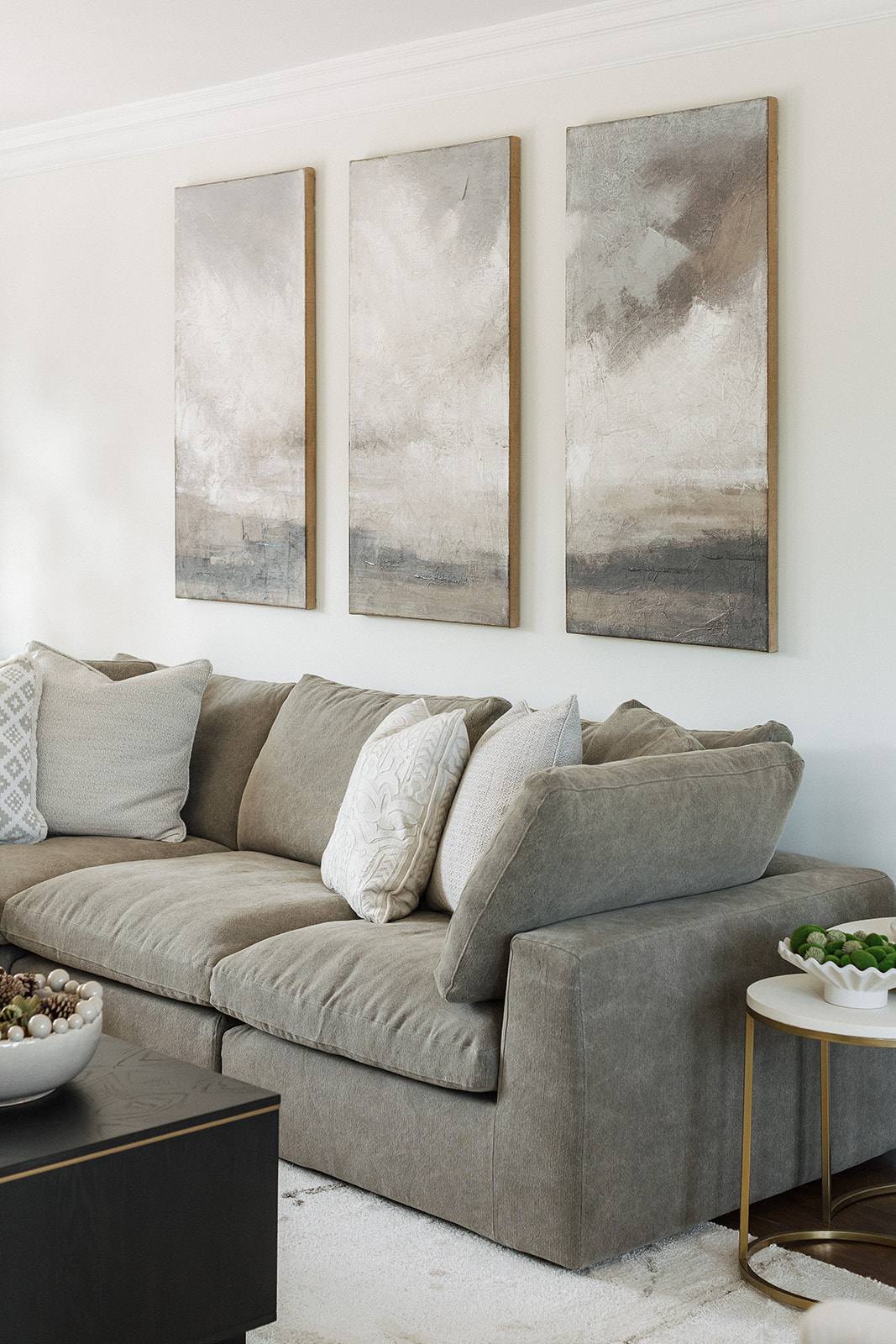
An interior designer manages structural and spatial decisions—layout, materials, lighting, and technical specification—whilst an interior decorator works with finishes, colour, and soft furnishings within an existing space. Most substantial interiors need design first; decoration follows. A designer holds responsibility for how a space functions and performs; a decorator enhances it once the bones are set.
What does an interior designer actually do?
Interior designers work across the entire spatial and material proposition. They begin in Discovery, understanding how the space will be used, who inhabits it, and what it must achieve. This phase determines everything downstream. At Beaulieu Dental Practice, for example, the design process began with the clinical workflow—where patients move, where staff need efficiency, how light and material choices affect nervous patients. None of this is decoration.
Through Concept, Design & Specification, the designer produces detailed plans: floor layouts, wall finishes, joinery specifications, lighting design, material palettes grounded in durability and performance, and technical drawings for contractors. At Tone at Canary Wharf, the design determined not just what the space would feel like, but how it would withstand daily use, how services would run, and how natural light would move through it across seasons. Designers carry liability for structural safety, building regulation compliance, and spatial coherence.
The designer’s brief extends to Commission and Reveal: overseeing installation, ensuring specification is met on site, and solving the practical problems that emerge during build. Design is outcome-responsible. It is not a visual preference; it is a system that must work.
What does an interior decorator do?
Decorators work with colour, pattern, texture, and moveable furnishings—within a space that already has its structural and material foundations set. They select and place soft furnishings, artwork, accessories, and wall treatments that enhance mood and aesthetic. Decoration is visual storytelling applied to a finished interior architecture.
Critically, a decorator does not typically specify materials for permanent surfaces, design structural changes, or produce technical drawings. A reupholstered sofa keeps its original frame; a decorator chooses the fabric and placement. Paint colours are picked and applied; the wall’s thermal or acoustic performance is not their domain. This distinction matters because it shapes responsibility, timeline, and cost structure.
Decoration becomes most visible and most valuable once the interior’s skeleton is complete and performing. It is the layer that lives closest to personal taste and comfort—and it can be refreshed, adjusted, or changed without touching the core spatial and material decisions underneath.
Why the distinction matters for your project
Many smaller projects—a single room refresh, a change of soft furnishings in an existing flat—need only decoration. If your walls are sound, your layout works, and your materials are performing, a decorator adds polish and personality without reopening the fundamental questions.
Substantial projects—a renovation, a commercial fit-out, a space being used in a new way—require design first. At Keystones Estate Agent or Fruittii Hair Salon, the design process came before any colour selection or accessory placement. The designer had to solve how the space would be serviced, lit, circulated through, and built. Only once that was specified and built could decoration finish the story.
Hiring the wrong discipline for your brief wastes time and creates risk. A decorator cannot solve a spatial problem or specify a material system. A designer specifying everything down to individual art objects is working beyond the boundary of design into unnecessary decoration. The studio’s Discovery phase exists to establish which you actually need—often both, in sequence, but not at once.
How do these disciplines work together?
In residential and commercial projects at scale, design and decoration are sequential, not simultaneous. The designer completes Discovery, Concept, Design & Specification, Commission, and Reveal of the structural and material layer. Once that is signed off and the space is habitable and performing, decoration can begin—or it becomes part of the same budget and timeline, with both disciplines collaborating.
At London Embankment Apartment or Witham Project, the design established the material palette, the architectural lines, and the lighting strategy. Within that framework, soft furnishings, colour, and accessories could then be chosen with confidence that they would sit within a coherent, functioning whole. Neither discipline was working in a vacuum; but each had a distinct remit and sequencing.
Occasionally, a designer and decorator work simultaneously from the start, particularly in small-scale or residential projects where the distinction is less pronounced. But the intellectual separation remains: design answers ‘how does this space work?’ Decoration answers ‘how does this space feel, and what do we see first?’
When to hire a designer, and when a decorator
Hire a designer if: your space needs layout changes; you are dealing with new construction or significant renovation; materials, finishes, or systems need technical specification; the space must serve a function it currently doesn’t; building regulations or compliance are in play; or the project touches structural, electrical, or plumbing decisions. Commercial projects almost always require design. Residential renovations do. A single room refresh within a flat that already works generally does not.
Hire a decorator if: your structure and layout are sound; you want to refresh surfaces, soft furnishings, and accessories; your project is a change of mood or aesthetic within an existing, functioning space; or you are working with a designer who has already completed the structural and material layer. A decorator brings expertise in colour theory, pattern combination, sourcing, and the sensory finishing of an interior.
Many projects benefit from both—but sequenced correctly. The studio works through Discovery to establish this distinction with each client, because the boundary is not universal. It depends on what the space is today, what it needs to become, and what responsibility and accountability structure your project requires.
How the studio approaches the distinction
The studio’s Discovery phase asks: What is being built or changed? What must be specified? What is already working? From that clarity, it becomes plain whether design, decoration, or both are needed, and in what sequence. This is not a sales distinction; it is a working one, grounded in what the space demands.
Once Discovery is complete, Concept develops the spatial and material strategy. Concept, Design & Specification moves into technical detail. By the time Commission and Reveal arrive, the designer has built a coherent whole that a decorator can then finish with confidence, or that stands complete in itself. This method ensures no discipline overreaches into the other’s domain, and no essential work is missed.
If you are unsure whether your project needs design or decoration—or both—contact the studio to discuss it. The answer comes from the work itself, not from a preset category. The studio’s role is to see it clearly and say so.